
Kill the Till: Gardening Traditions That Actually Hurt Your Garden
My husband will be the first to tell you that "tradition" is a 4-letter word in our house. Even as a little kid, I needed to understand the "why" behind things. My poor math teacher was constantly bombarded with my questions about how we would use the lesson in real life and why. Now as an adult, "Because we've always done it this way" makes my eye twitch. Are we doing something because it's enjoyable or beneficial or because we're being peer pressured by dead people?
When I started gardening, I was introduced to the basic garden commandments. These garden practices are so entrenched in our management activities that we don’t even question them. Or more importantly, ask whether or not they are good for our gardens and the planet.
This blog series will be the list of garden traditions that I want to chuck in the compost. The bright side: you get to do less work and do less damage to your garden!
(This is my disclaimer that I don't know everyone's individual situation and that this is not an attack on you if you've done these things!)
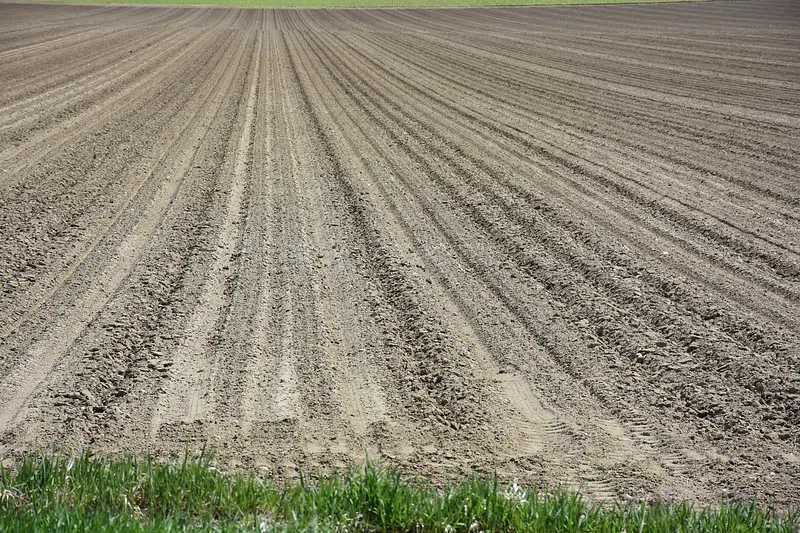
TILLING & SOIL HEALTH
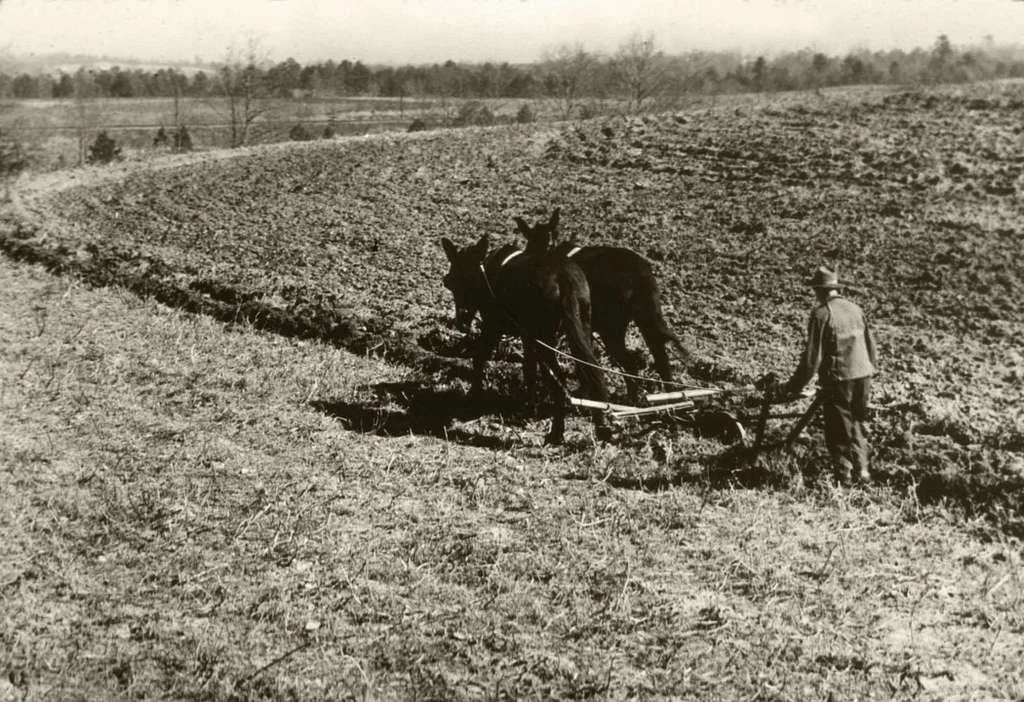
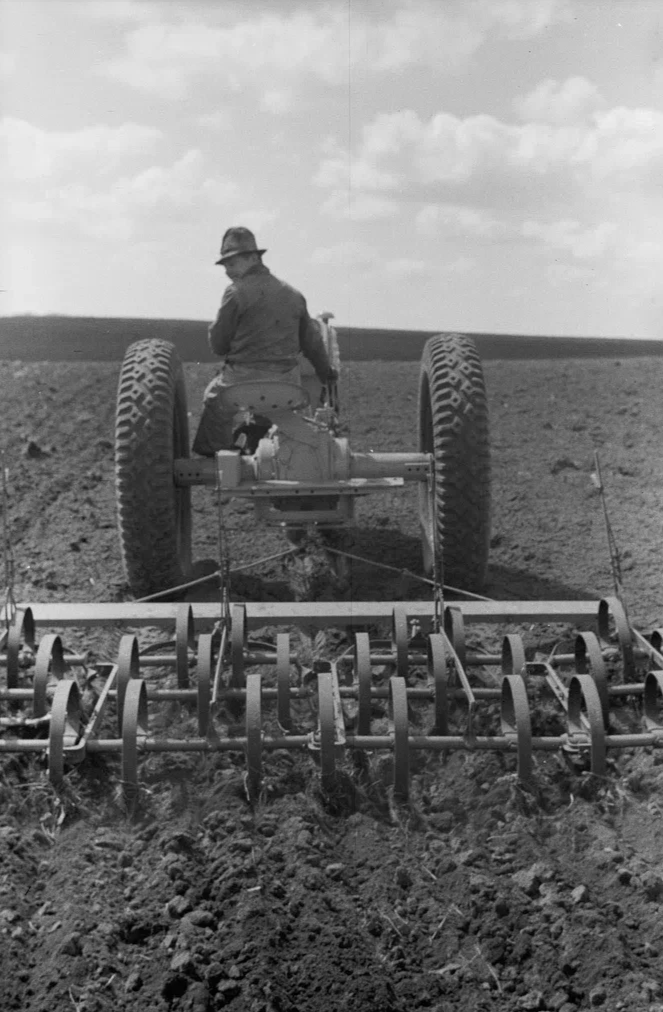
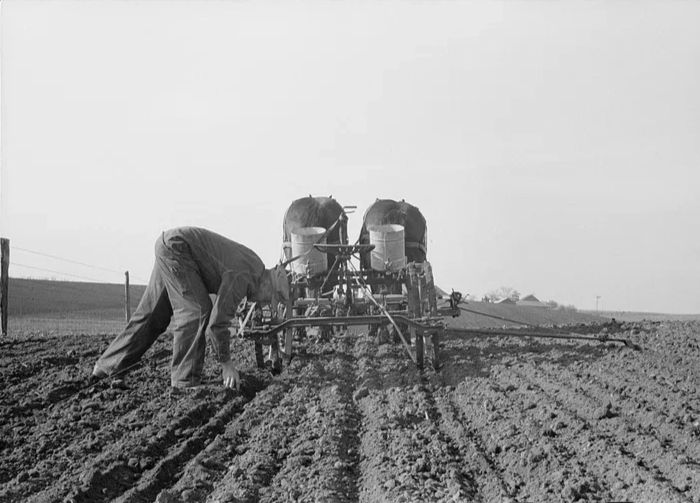
Tilling is the act of digging up soil either by hand or machine. Traditionally, people have tilled to break ground for new garden beds or to mix amendments into the soil.
The issue with tilling is rooted (pun intended) in the ground. So let's get the dirt on soil biology before we jump more into tilling!

Soil is the compilation of "mineral and organic matter that contains air, water, and micro-organisms." It is foundational for life on earth AND there's an incredible amount of life in soil as well. Here's a wild fact about this from the Nelson Institute for Environmental Studies:
"Just a quarter tablespoon of soil can host more organisms than there are people on the planet."
For context, we currently have an estimated 8.3 billion people on earth. So that's a lot of life in one tiny spoon!

What makes up this soil life? According to the USDA Natural Resources Conservation Service, the soil microbiome includes "yeasts, algae, protozoa, bacteria, nematodes, and fungi that process soil into rich, dark, stable humus." These organisms cycle nutrients, enabling plants to grow. A phrase I've been taught is: Feed your soil to feed your plants. Healthy soil is the base of everything.
So how does this connect back to tilling? The soil disruption from tilling kills this microbiome, the thing we just learned is directly connected to your plant health. Habitual tilling destroys the microbiome, leaving you with dirt. Dirt is dead, inorganic material. There's no life in it.
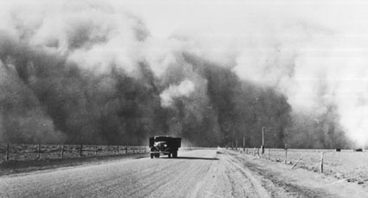
The lack of structure in tilled dirt makes it susceptible to soil erosion. The Iowa State University Extension explains that "since tillage fractures the soil, it disrupts soil structure, accelerating surface runoff and soil erosion." In a time when water conservation is front of mind, we should be concerned that the ground can no longer absorb water for the natural water cycle process. Instead, this precious resource is leaving the region that needs it, picking up pollution and contaminants along the way.
Tilling not only kills the soil microbiome and increases water runoff, but it also leads to soil erosion. When I first heard this, I thought, "well the dirt has to end up somewhere." I was picturing shifting sand dunes that move from one side of an island to the other over time. The sand moves, but it's still there on the beach.
However, eroded soil is carried away by water and air, a majority of it damaging our water system. The Natural Resources Defense Council explains that:
"60 percent of soil that is washed away ends up in rivers, streams and lakes, along with whatever has been applied to that soil, including agrochemicals and other pollutants that can contribute to harmful algal blooms and polluted waterways."
The displaced soil ends up at the bottom of lakes and oceans, where we are unable to use it. So we are losing our soil and polluting our water in the process.
Picture the 1930s Dust Bowl era with the intense dust storms. Those conditions were caused by agricultural soil damage. We should be concerned that we are repeating historical mistakes.
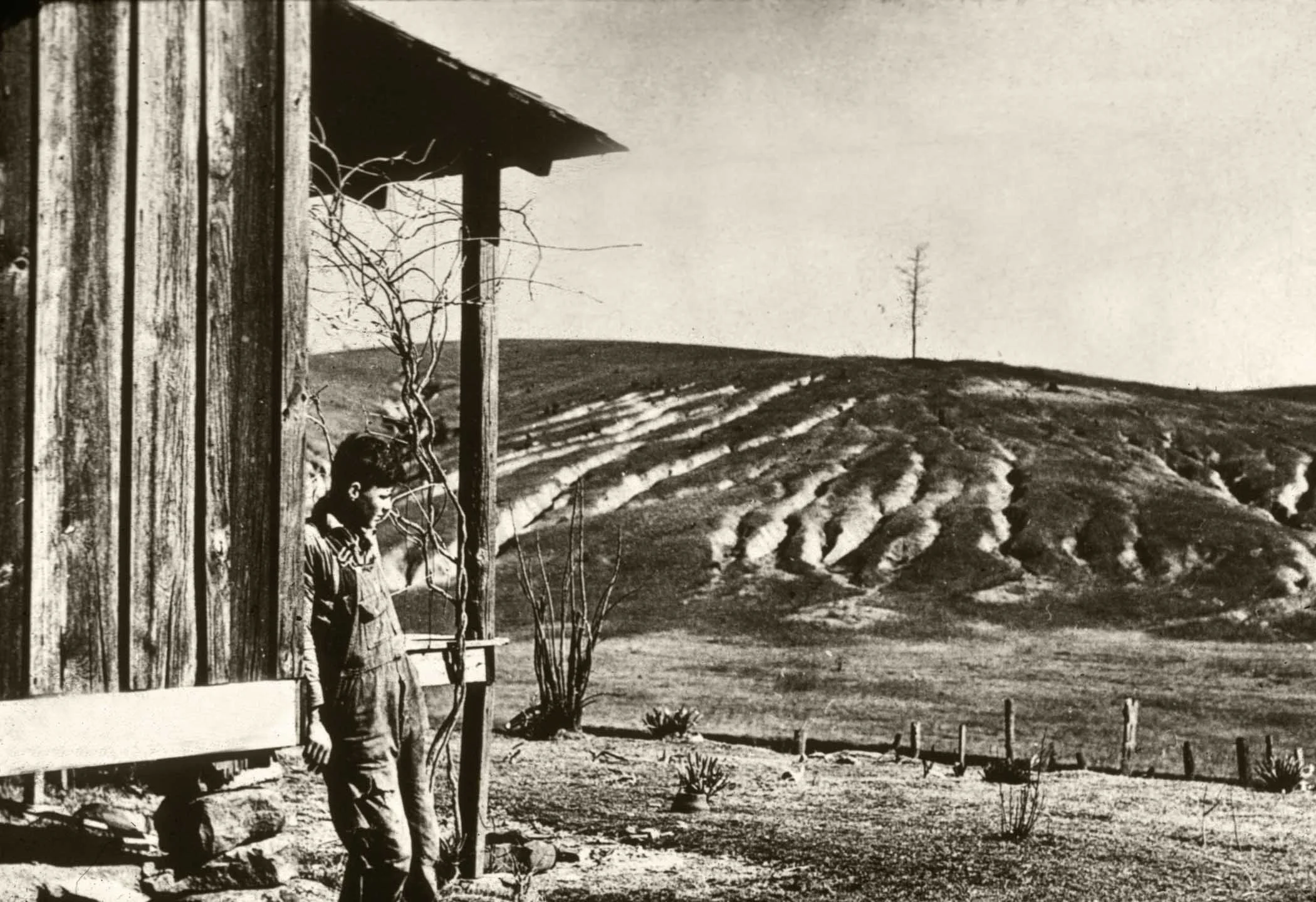
The NRDC has shared some startling statistics that should encourage us to move away from tilling as quickly as possible:
"One inch of topsoil can take several hundred years to develop, and scientists estimate that the United States is losing soil at a rate 10 times faster than nature's ability to replenish it. Soil scientists believe that if current rates of soil degradation continue, all of the world’s topsoil could be gone within 60 years."
As microbiota scientist Dr. Christy Clutter writes, "soil is also one of Earth's precious non-renewable resources, and its microbial communities sustain that [resource]."
Now you're left wondering how to tackle your garden issues without damaging your soil and harming your very valuable soil microbiome. It's possible and I have answers for you!
COMPACTION/CLAY SOIL
I am not a scientist; I am just a research nerd so I'll keep this as simple as possible. The primary soil components are sand, silt, and clay.

Clay soil gets a bad rap so I want to hype it up before we talk about potential issues. Clay particles are negatively charged, which means they can hold onto positively charged particles like calcium, magnesium, potassium, ammonium, hydrogen, and sodium. Clay soil is fabulous at holding onto nutrients for our plants! If you want to dive deeper into the science, I recommend you research clay cation exchange capacity.
Clay is the smallest soil particle, which means that clay fits together tightly. While water retentive soil can be helpful in some conditions, clay soil tends to have poor drainage and little space for air. This compaction makes gardening and stormwater management more challenging.
HEALTHY SOIL IMPROVEMENTS
There are several approaches for improving soil conditions. For the love of lupines, please do not just add sand to your clay soil. I saw a comment suggesting this on Reddit and you will just make DIY concrete doing this. Instead, you want to increase the organic material in your soil. The options you choose will depend on the severity of your site.
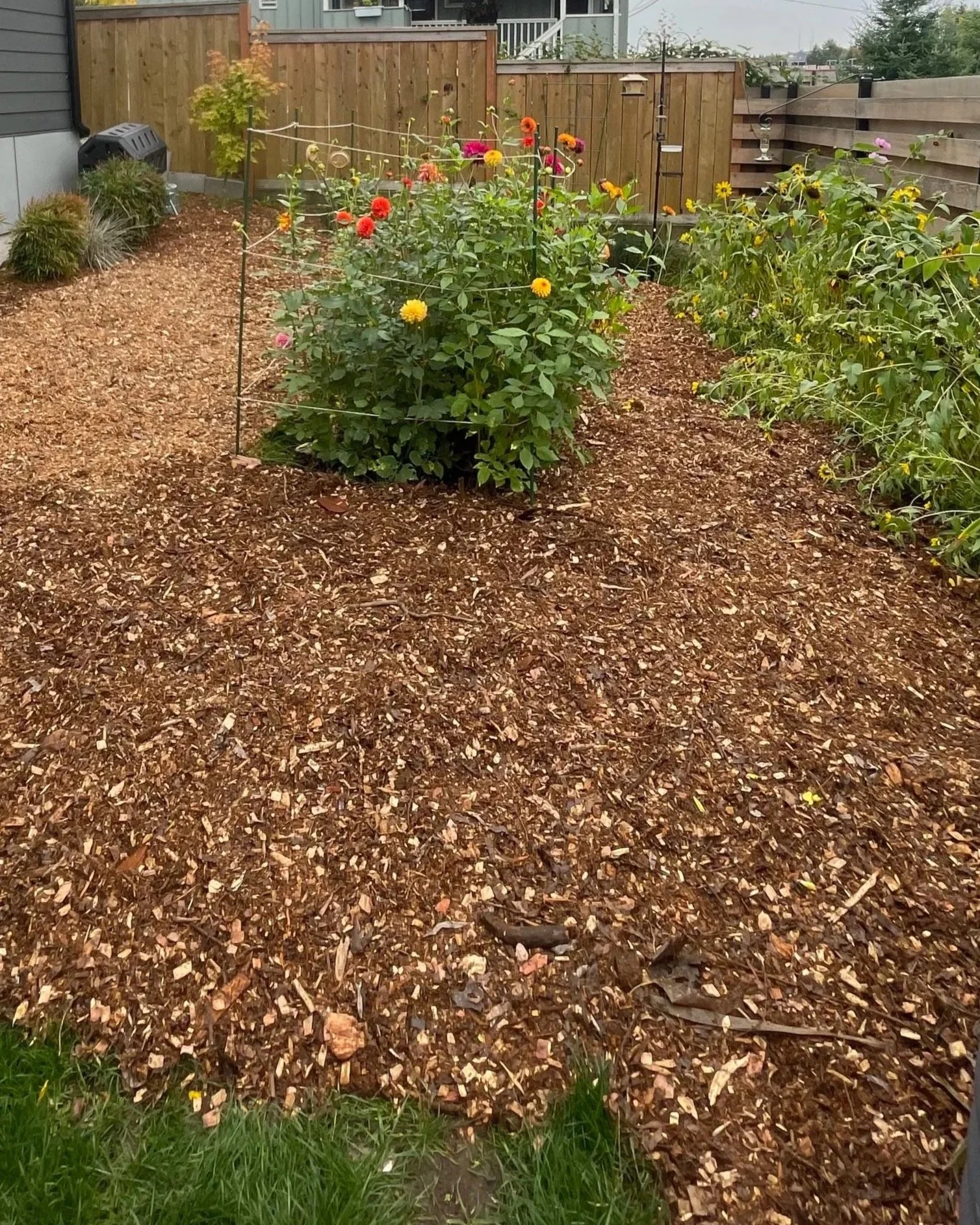
A basic option is to top-dress the garden bed with compost and mulch. Detritivores such as worms will pull this organic material deeper into the soil, which will increase air and water filtration. I love mulching with wood chips, but only use them for paths and perennial plants. They pull too much nitrogen from the soil as they compose, limiting nitrogen for annuals/veggies to do well.
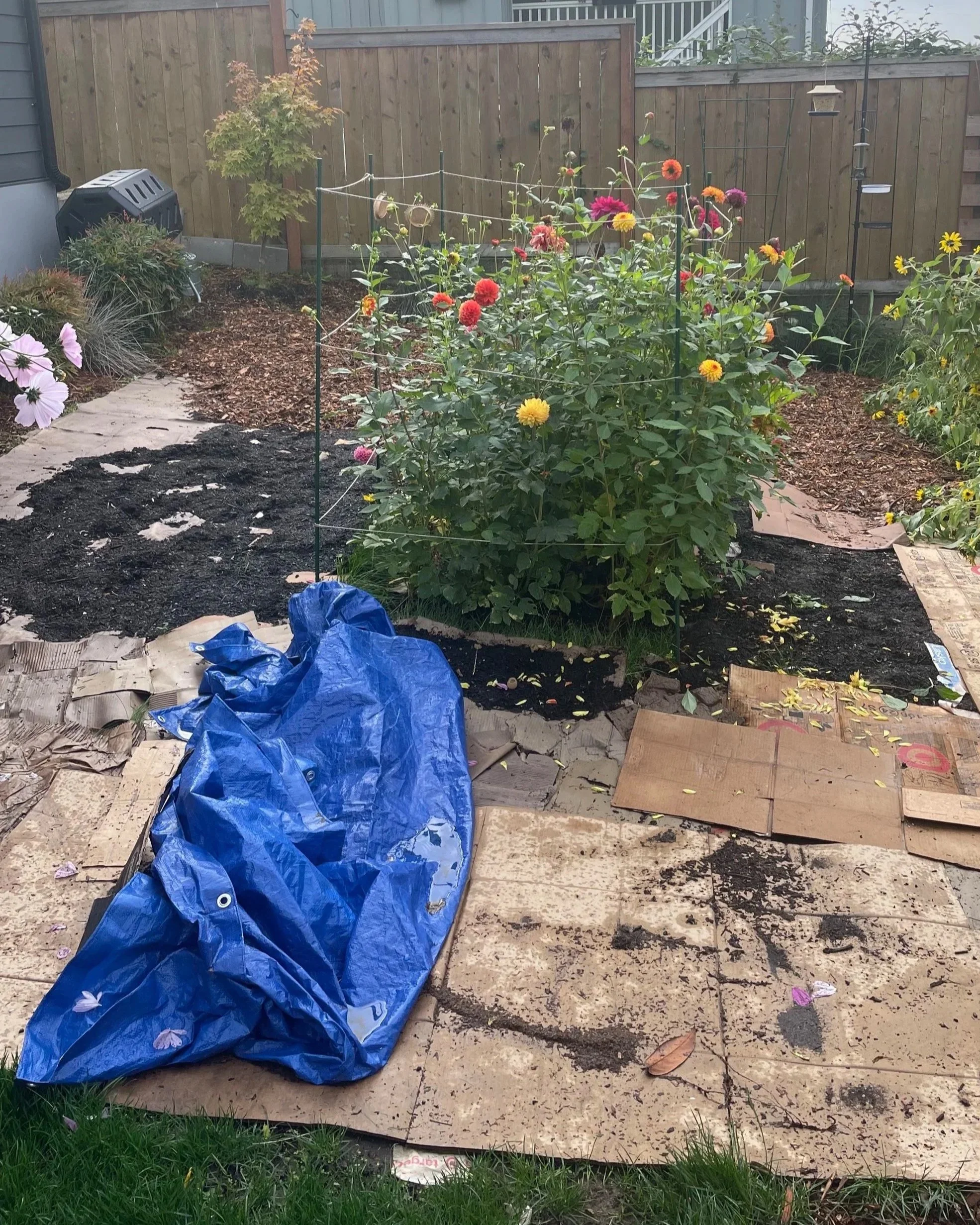
A more intense version of adding organic material is the Lasagna Method. Also known as Sheet Mulching, the Lasagna Method uses a base of water-soaked cardboard or newspaper with alternating layers of nitrogen-rich and carbon-rich materials. You’re essentially creating a compost field.
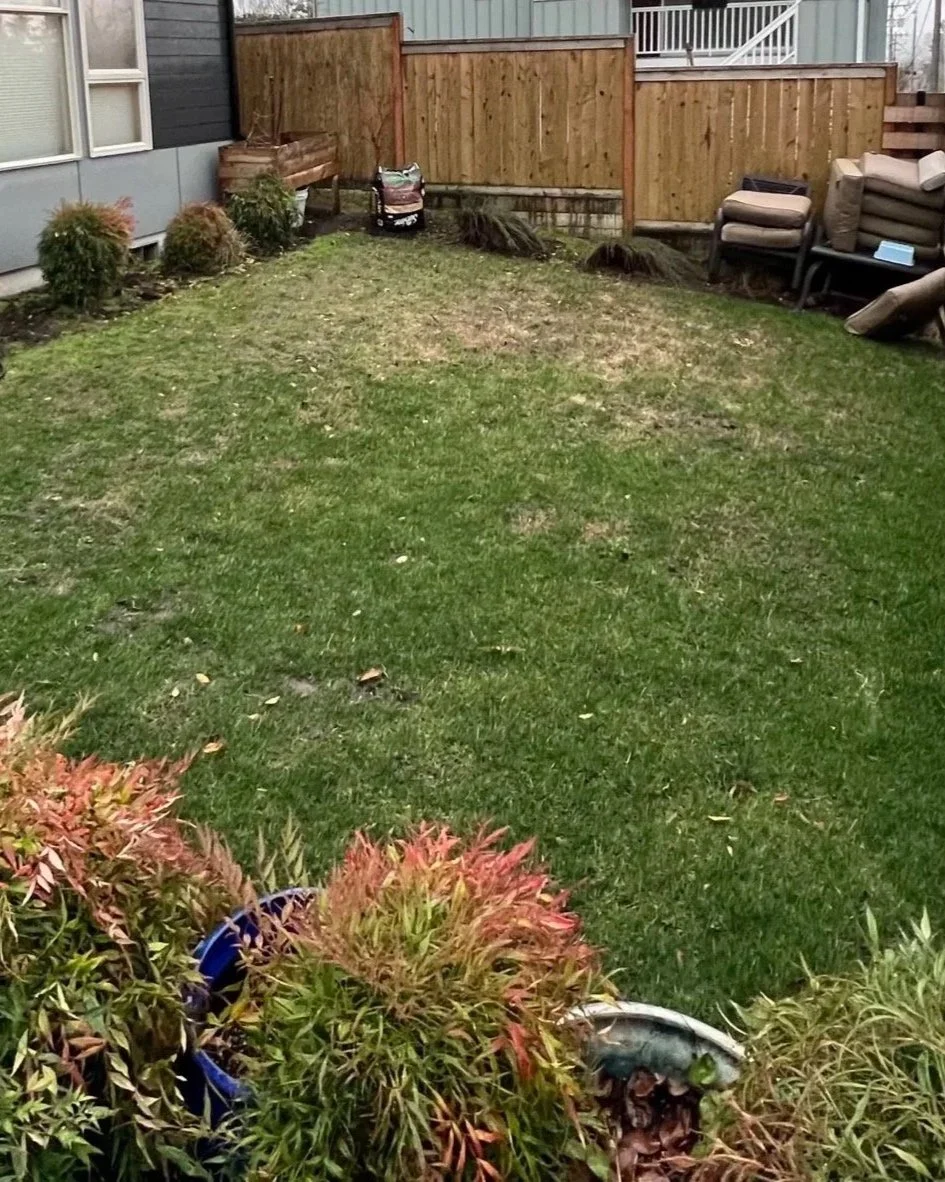
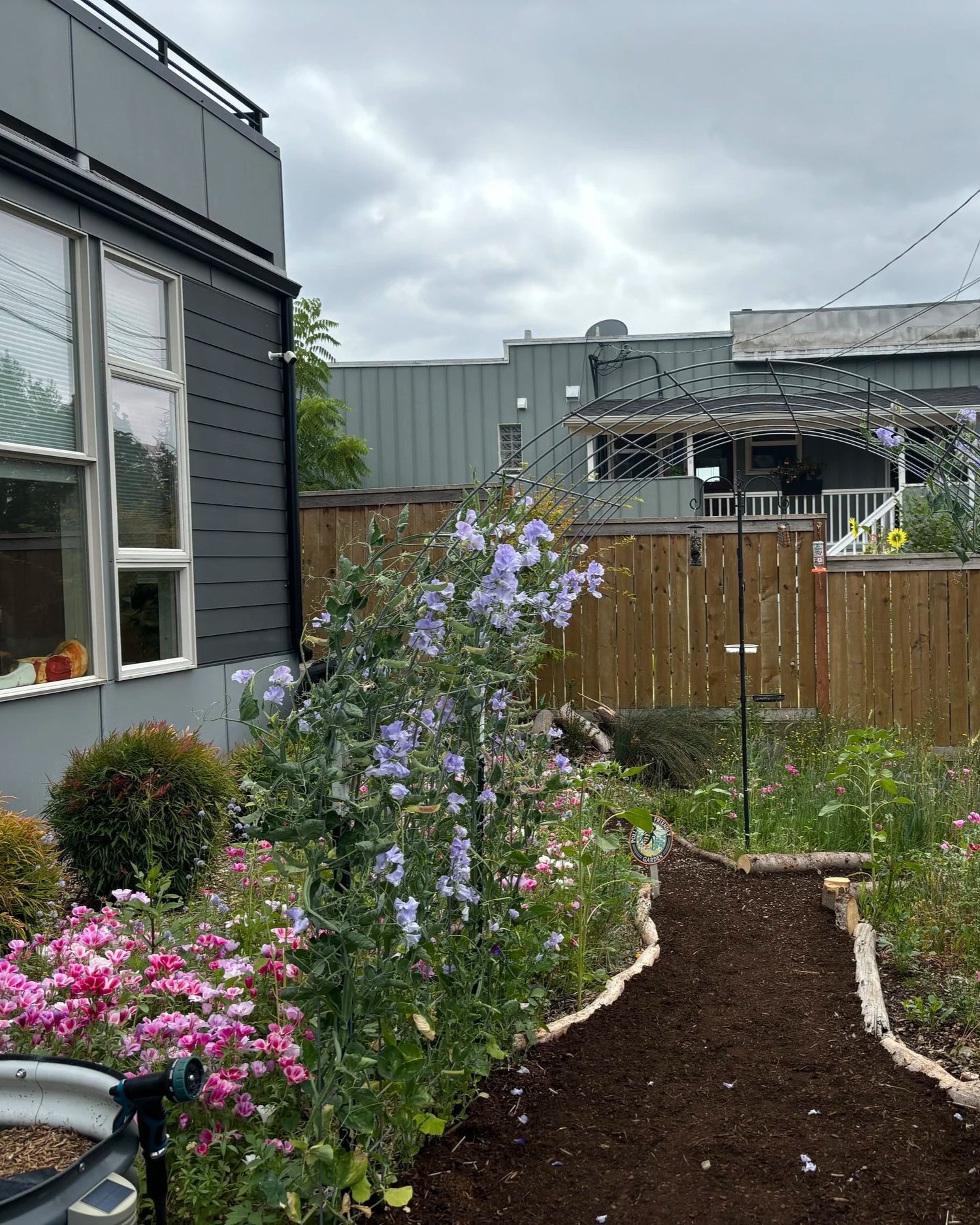
I used this technique to kill my lawn and turn it into a native wildflower meadow. I started by breaking down all of my moving boxes and staggering them over the grass to fully block the light. I soaked this layer with a lot of water because cardboard can become almost hydrophobic if you don’t soften it with water first. I then added layers of compost, manure, leaves, and wood chips.
If you have budget restraints and are working with a large area of heavy clay, consider sowing daikon radishes. Daikon radishes are known for their very large taproot. Also called "tillage radishes," these plants send their taproot up to 20 inches deep into the soil. Some specially bred varieties grow a 6 foot long taproot!
You don't harvest these radishes, but let them rot in place. This leaves behind a reservoir of organic material to enable water infiltration. Be sure to give your neighbors a fair warning if you live in an urban setting; the radishes will smell for a few days as they rot. Better soil is worth the stink!

Garden forks are a great way to loosen the soil with minimal disturbance. Stepping on the fork and wiggling it slightly helps open up the soil for water/organic material infiltration without drastic soil displacement.
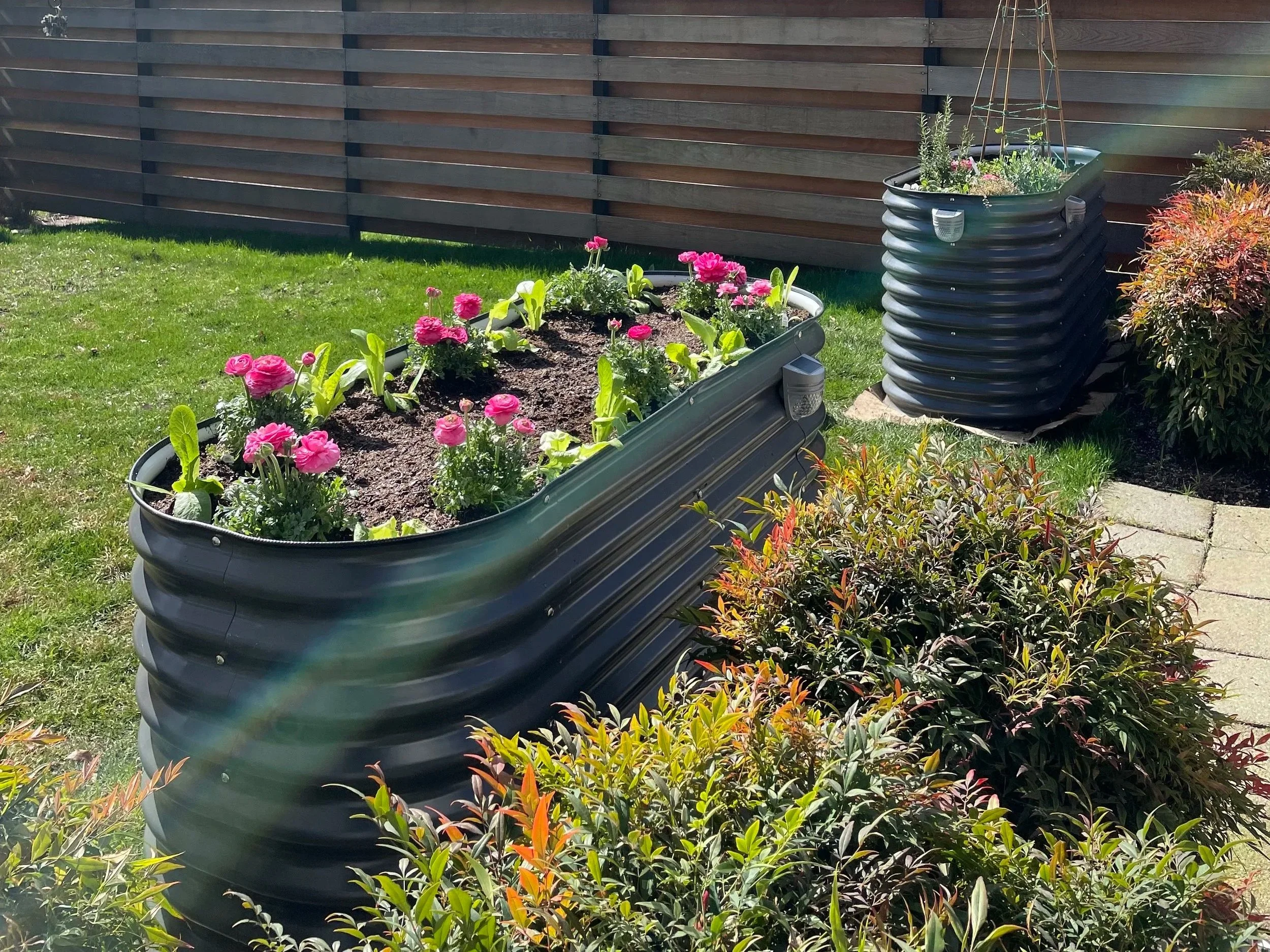
If none of these options work for you, I would consider building up instead of worrying about digging down. Raised beds come in a variety of sizes, heights, and price points. They give you the chance to plant in well-draining soil without damaging the existing soil microbiome.
If you can’t do any of this, I encourage you to embrace your soil and stop trying to change it. Adjust your planting list instead of adjusting your soil. There are many options for plants that grow well in clay soil.
It’s better to manage our expectations than to try to manage a world without soil. I hope you join me on this no-till journey. Happy gardening!