
Stop Worrying and Start Ecosystem-ing
As a little kid, I loved finding creatures. Every rock had to be flipped over and checked for worms and rolly pollies. I would always gently return my finds to their home, tucking them in back under their rock. I grew up with black widow spiders so I was cautious around arachnids, but I still loved to watch spiders weave their webs and catch their prey. I would gather cicada husks and observe ants carrying dead bugs back to their colony. I was a part of their world and they were a part of mine.
Nowadays, it seems that we’ve forgotten the lyrics of “Colors of the Wind” from Pocahontas:
“And we are all connected to each other
In a circle, in a hoop that never ends”
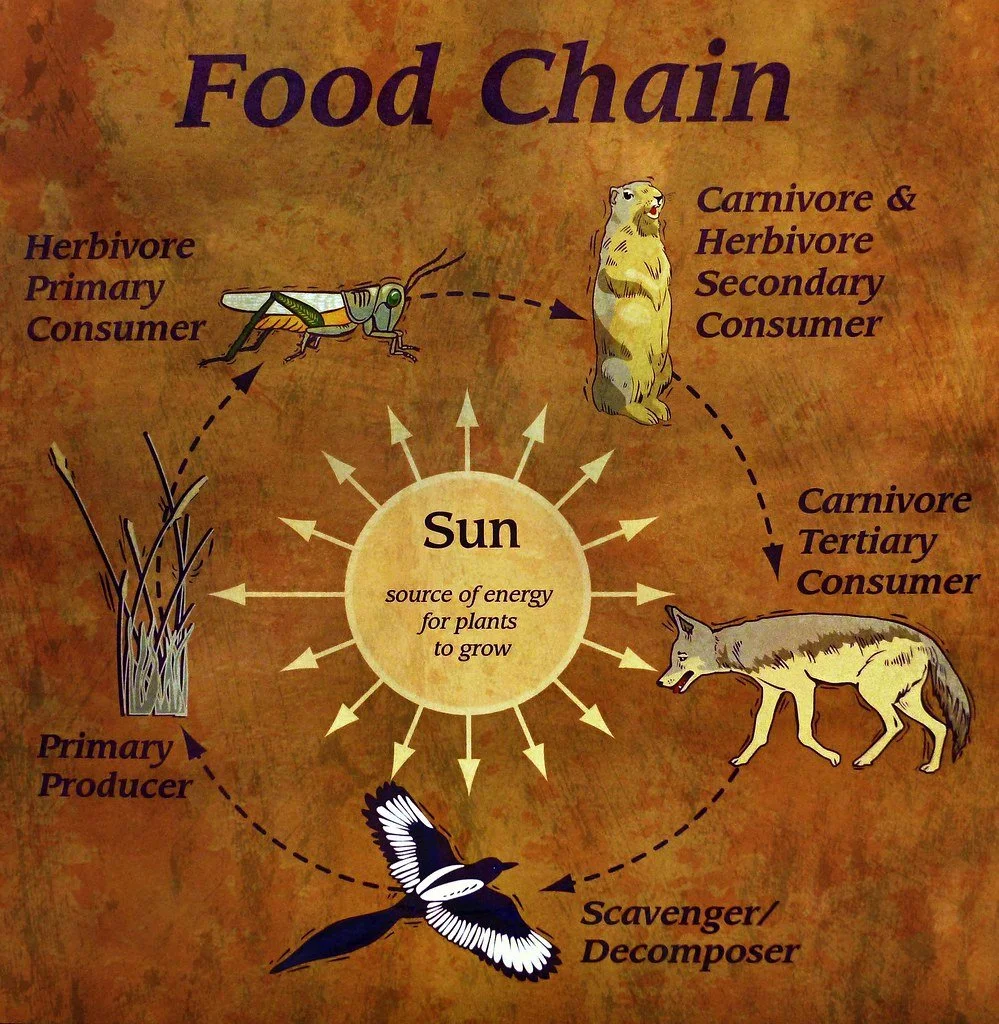
While everything on earth is interconnected, humanity’s choices are starting to erode that “never-ending circle.” We’ve treated the earth like a continuous commodity instead of a precious limited resource. The amalgamation of urbanism, Manifest Destiny, the Enlightenment, and the Industrial Revolution has left us with the sense that humanity is separate from nature: We are enlightened man forcing our dominion over nature with machines as we look down from our high towers!
Is it fear or a superiority complex that prevents us from admitting that we are a part of the food web, that the health and wellbeing of other animal species directly impacts our ability as a species to survive? We are a part of this delicate balance and our actions to create distance between humans and “the wild” is hurting us and the planet. When I searched “common insects,” the top results were lists of pests and how to kill them. No coexistence, just elimination.
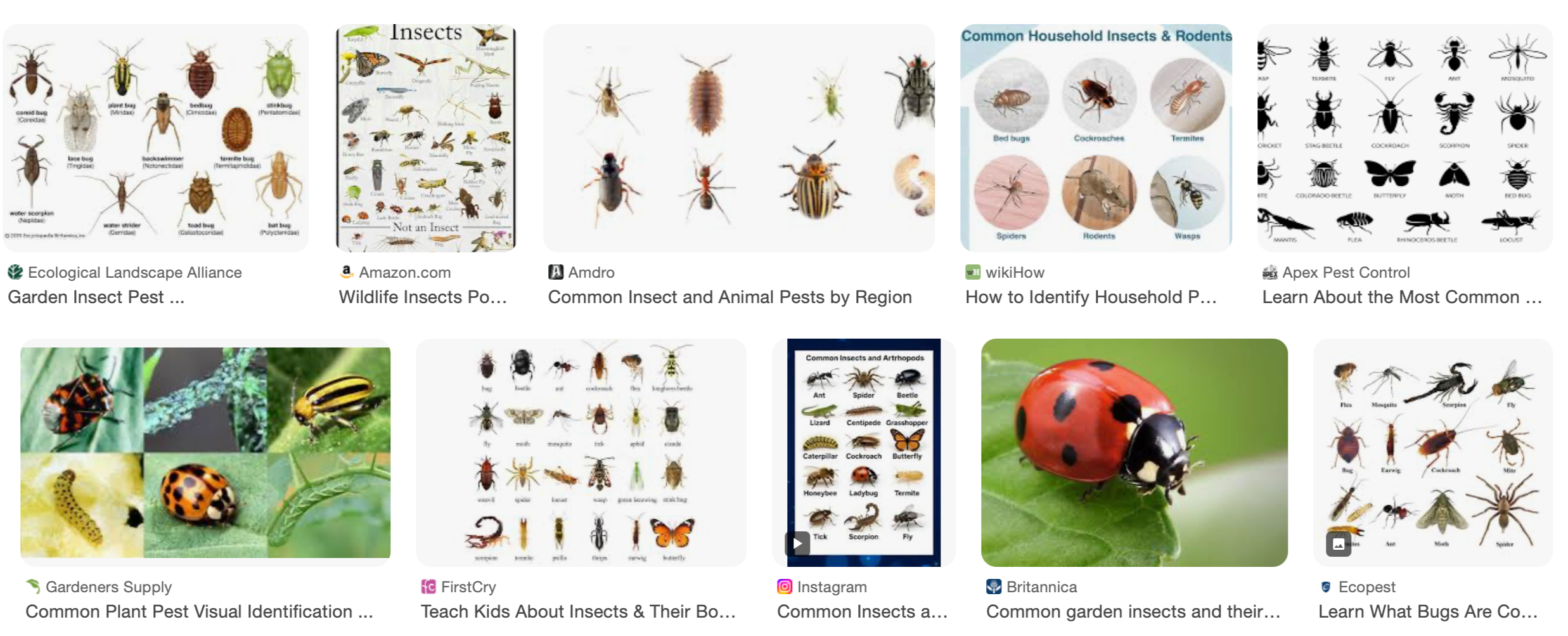
Screenshot of my insect search
Whether we like it or not, insects are part of our ecosystem. Insects underpin the functionality of the entire ecosystem. We need insects in order to survive. They clear waste, break down carrion and dead trees, pollinate our food, feed larger animals in the food web, aerate our soil, and recycle nutrients.
So instead of bemoaning our fate, we should celebrate that the majority of insects are our friends! In fact, less than 1% of insects are considered pests. And some of these pests can actually become "beneficial" to our gardens with a simple perspective switch.
This may be controversial, but I want some pests in my garden. I actually get excited when I see aphids sucking sap from the new shoots of my roses. Let me explain why I treat aphids like beneficial insects in my garden.
WILDLIFE SUPPORT
Aphids are beneficial in my garden because they start the ecosystem; aphids initiate the food chain in my garden. My desired insects and birds will not show up if they have nothing to eat. You can't remove all the meals from the buffet and expect diners to show up to your restaurant. So I don't mess with aphids in my garden. And I don't need to.
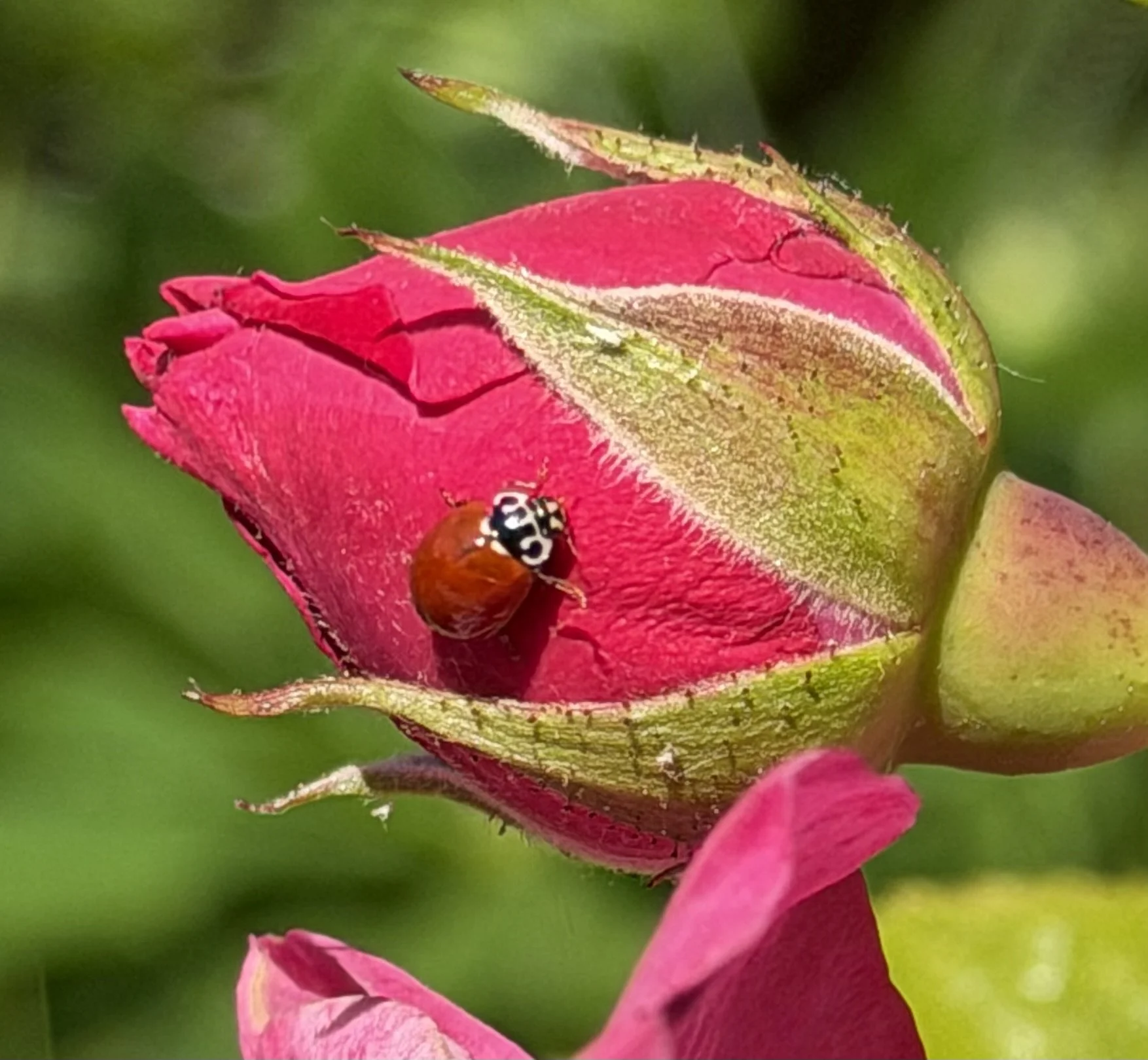
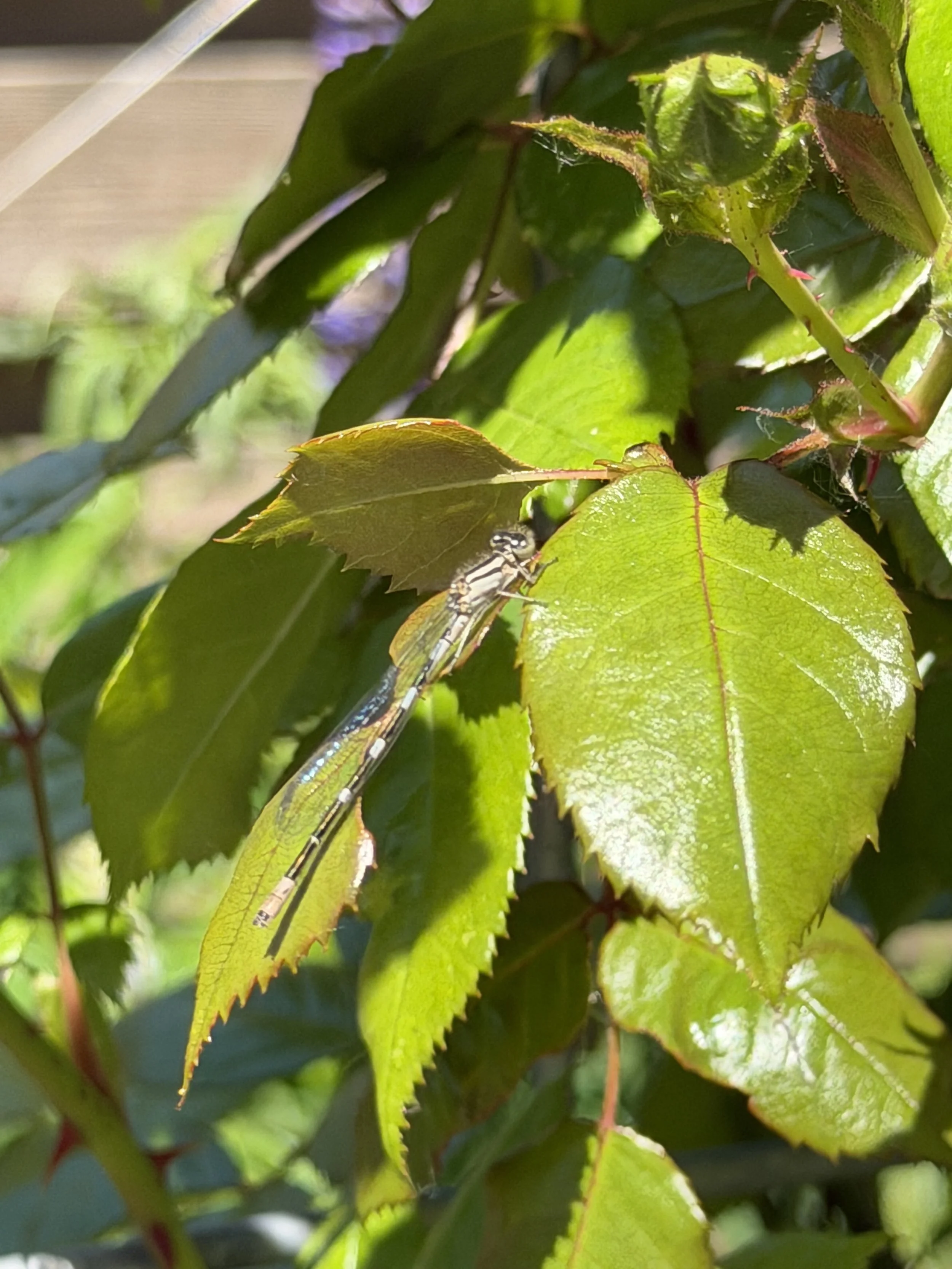
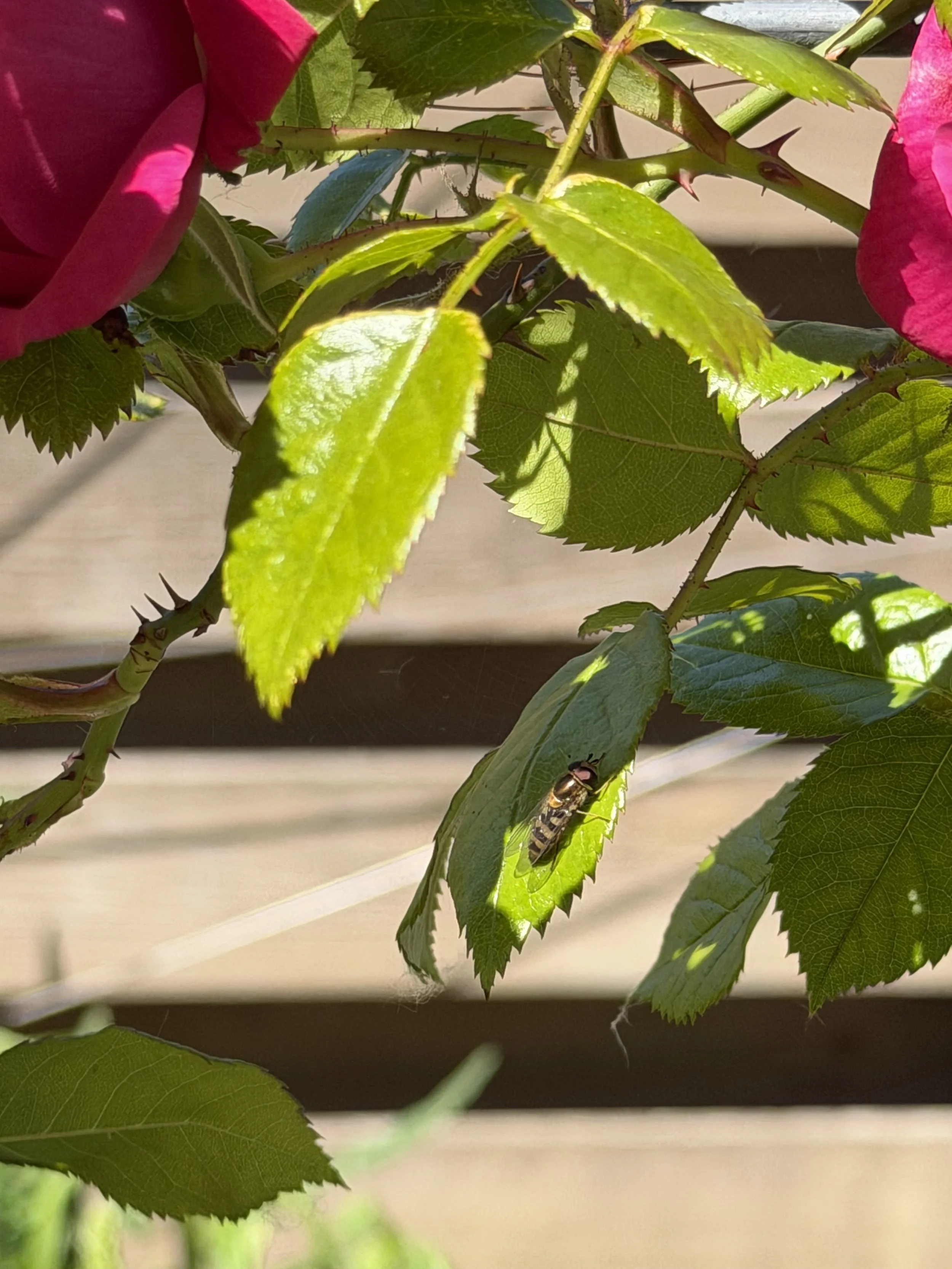
Because I have aphids in my garden, their natural predators also become part of my garden and keep everything in check. Aphids draw in ladybugs, beetles, parasitoid wasps, green lacewings, hoverflies, spiders, and damselflies. In turn, these insects attract their natural predators and the food web continues to expand. The ecosystem becomes balanced.
Aphids provide a good source of easy nutrition for birds in the spring, who need all the energy they can get to prepare for nesting season. This is great for gardeners who also enjoy birdwatching as well. Chickadees, titmice, wrens, warblers, and sparrows will visit a garden to eat aphids.
GARDEN MAINTENANCE
This may be surprising, but aphids actually lower my garden maintenance. They expand the number of species that call my garden home. My aphids are eaten by black-capped chickadees, ladybugs (especially the larvae), and even hummingbirds! By drawing in a more biodiverse and stable food web, I have almost no pest maintenance work in my garden because wildlife maintains the equilibrium.
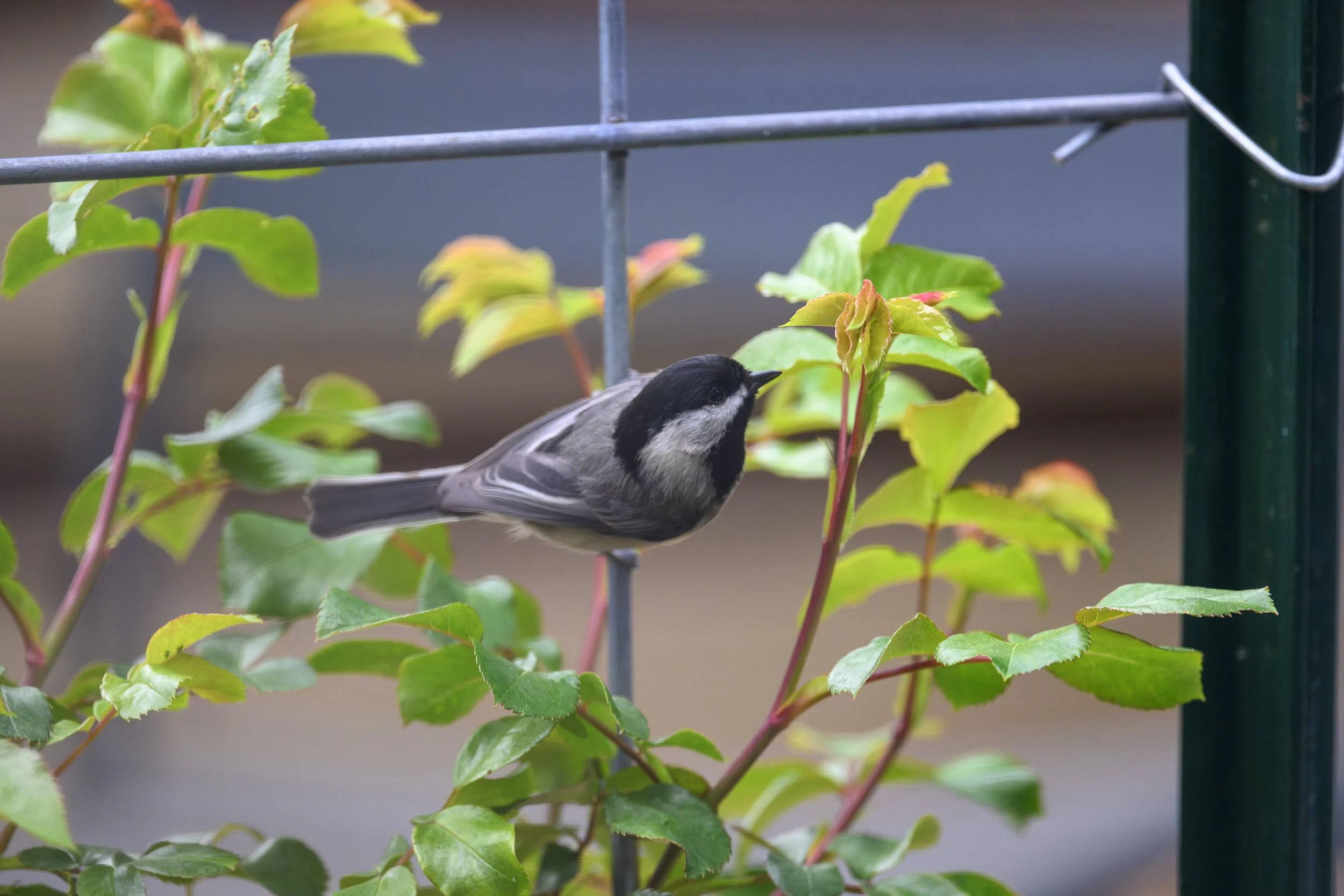
Black-capped Chickadee Hunting Aphids on my Rose
Aphids encourage garden cleaners to work in your space. Aphids have a symbiotic relationship with ants, who guard them in exchange for their honeydew. While ants are often overlooked or villainized in gardening circles, they perform important functions in maintaining our garden's health. Ants predate on other insects, contribute to soil aeration, clean up debris, and bring organic matter into the soil. This relationship between ants and aphids improves your garden’s health in the long run.
INFESTATION MANAGEMENT
There may be a time when an invasive species of aphids appear or the numbers are too much for a young plant. If your plant starts to decline because of an aphid infestation, I encourage you to start with physical pest management measures. A hard spray of water will knock aphids off your plant. While they can spread quickly because of their reproduction rates and wind migration, individual aphids move slowly. Once they have been knocked off your plant, it is unlikely that they will be able to return to it.
If this isn't enough for your infestation, you can use the tape method. For this, you wrap tape around your glove with the sticky side out and press the sticky side against the most aphid-covered areas of the plant. You want the tape to be tacky enough to grab the aphids but not so strong that it tears your plant’s leaves. Make sure you inspect your plant first so you don’t accidentally grab any beneficial insects.
While the top results on the Internet push Neem oil, I do not recommend it because it can harm pollinators. People read “naturally occurring” and “organic” and get the impression that the product is safe. Companies skirt around the topic with phrases like “minimal impact.” That's not the same as no impact. Neem oil is an antifeedant and hormone disruptor. It doesn’t differentiate between “good” insects and “bad” insects when it kills them.
I do not recommend pesticides because these chemicals hurt humans, wildlife, soil, and our waterways. Golf courses provide a good environmental impact study location because they exist throughout the country and have high rates of pesticide and herbicide use. These chemicals are having detrimental health impacts for people and the ecosystem.
According to the neurology study ‘Proximity to Golf Courses and Risk of Parkinson’s Disease,’
“Living within 1 mile of a golf course was associated with 126% increased odds of developing PD [Parkinson's Disease] compared with individuals living more than 6 miles away from a golf course.”
Another study ‘Proportionate Mortality of Golf Course Superintendents’ found that golf course landscape crews had significantly higher death rates from cancer than the rest of the country. Glyphosates, a weed killer found in Roundup and similar products, is thought to increase cancer risk by 41%. Killing a bug is not worth killing yourself.
MINDSET SHIFT
It’s easy to view everything as the enemy when you have an Us vs Them mentality with nature. In reality, we are nothing without them. The world would not survive without insects.
I hope this mindset shift to see the larger food web vs. the immediate situation (i.e. an aphid on your rose) lessens your garden stress. Let’s get back in touch with the creatures around us and enjoy watching the world in our garden. Happy gardening!