
Dr. Tim Dice Interview Review: Modification, Substitution, & Mindset
If you haven't had a chance to read Dr. Tim Dice's interview, go check it out first and then bounce back here!
Dr. Dice's interview shared a lot of advice on healthy gardening practices. We covered everything from improving our form and strengthening muscles to adapting our outlook and expectations. Dr. Dice emphasized the importance of modification, substitution, and mindset when navigating injuries and recovery.
So how can we incorporate these elements into our garden practice? Here are my thoughts for integrating Dr. Dice’s guidance into your garden.
MODIFICATIONS
I plan a garden around the entire lifetime of the people living there. Dr. Dice’s modification point made me think of the phrase “work smarter, not harder.” It’s better to prepare for accessibility and not need it, than find yourself injured or in a phase of life where you need it and don’t have it. Retrofitting accessibility (especially when you may be struggling with an injury) adds unnecessary stress.
When I think of accessibility, I’m considering walking paths on the property, gathering spaces, plant maintenance access, and home maintenance access. Accessibility and ease of movement should be foundational in garden design. If you're struggling to figure out how much space you need, use the ADA Accessibility Standards as a starting place.
For example, a modern zig-zagging path with grass strips is aesthetic, but are big gaps practical for a baby learning to walk or for a senior with a walker? Could we achieve a similar look with alternating hardscape materials to remove the tripping hazard? When considering hardscape options, I imagine what it would be like to navigate that space with gardening supplies, a mobility aid, or a baby stroller.
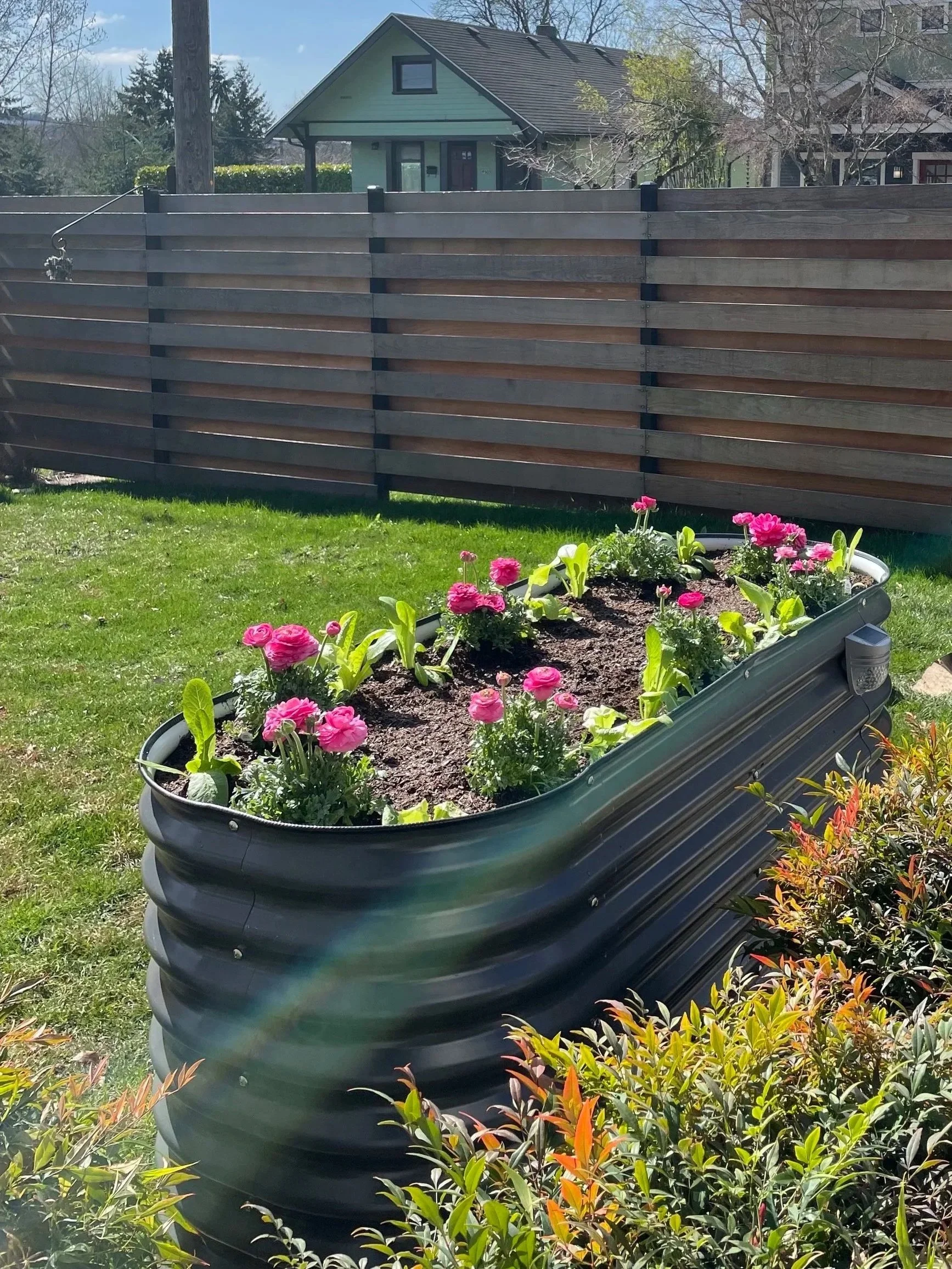
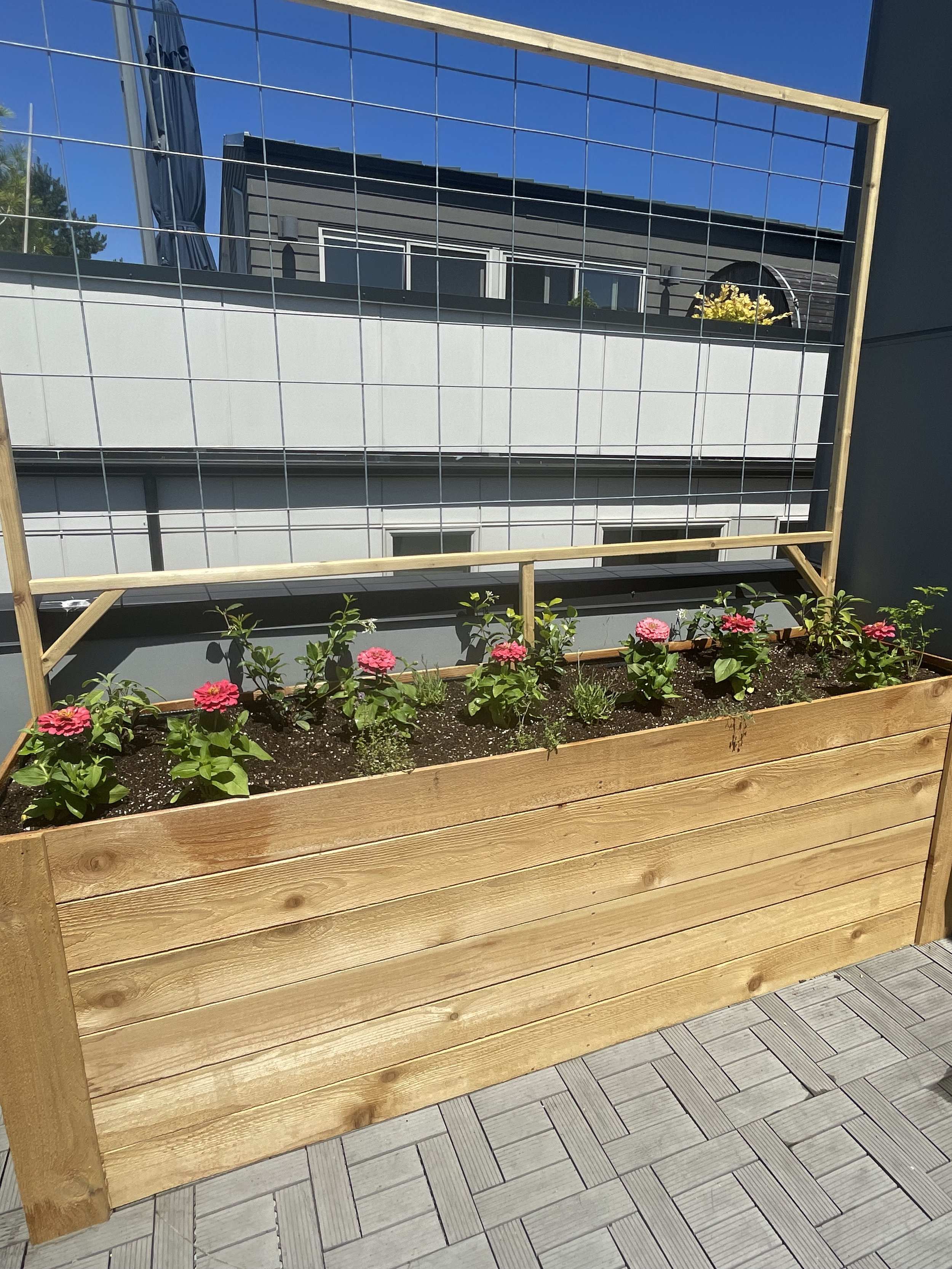
Another great modification is raised beds. I encourage all people, but especially those with mobility issues or chronic pain, to consider using tall raised beds for these reasons:
From a safety perspective, they aren’t a tripping hazard like some shorter bed edges can be.
From a health standpoint, they lift up the plane of work to hip height so you don’t have postural strain from bending over. (Remember Dr. Dice's advice to keep your spine straight and hinge from the hips!)
From a garden improvement view, raised beds let you control soil quality and water drainage. For people with contaminated or heavy clay soil, raised beds can expand your gardening options.
From an aesthetic angle, raised beds can be “pony walls” in your garden, defining an outside “room” without blocking sightlines or solar access.
PLANT PLACEMENT
Another accessibility strategy is plant placement, especially for edible plants. You can learn from my mistakes here! A few years ago, I planted sugar snap pea vines climbing through a trellis. It gave me a spot to use my cattle panel and added interest to the fence. But it was on top of a tall retaining wall with no pathway...
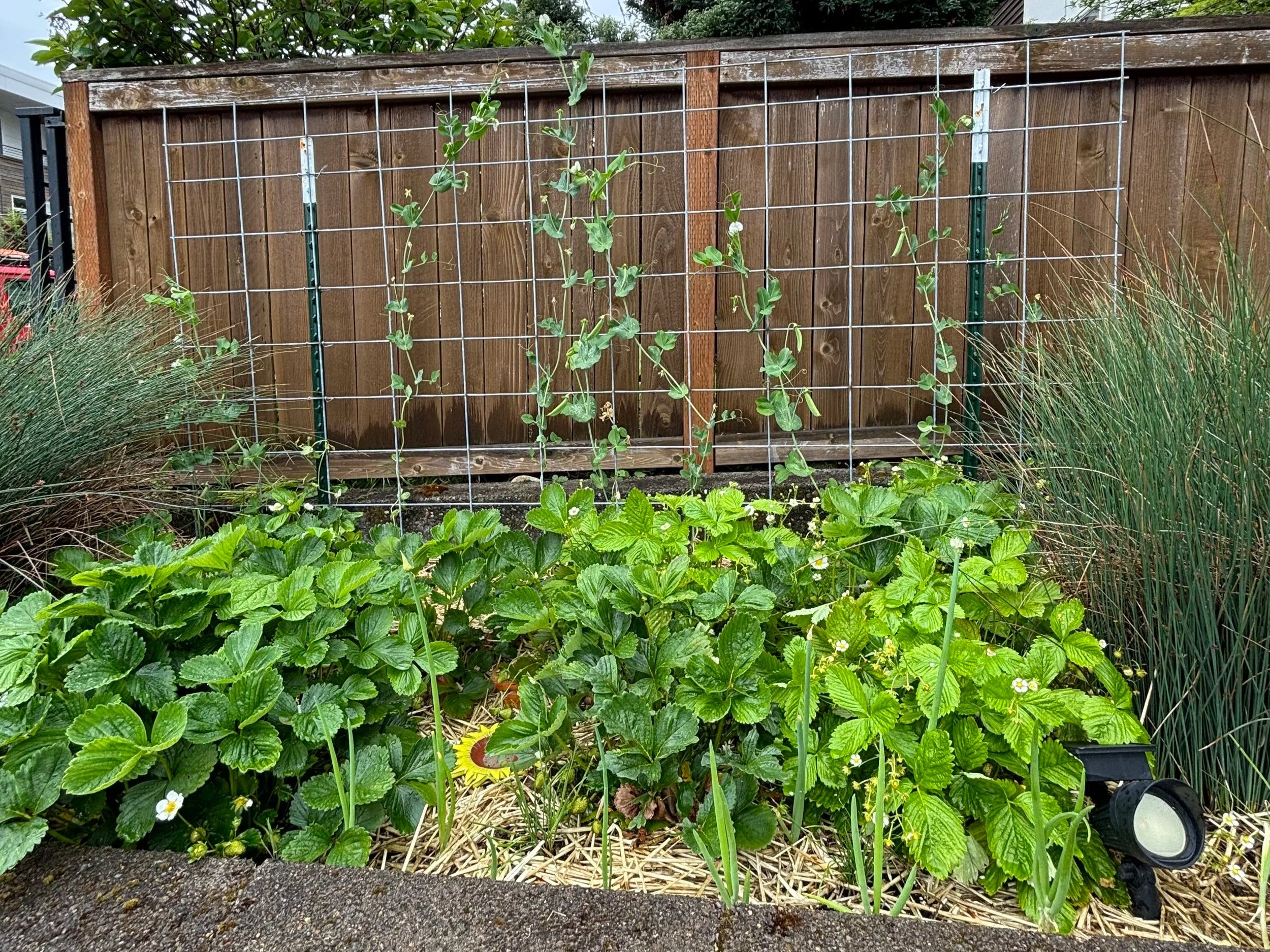
Peas Growing on a Trellis
Once harvest time came, it was such a pain - metaphorically and literally - to haul out my step ladder and climb into the bed every other day to harvest peas. For plants that require frequent access, place them somewhere that’s easy to reach. I’m happy to climb up that wall once a year for annual pruning, but I’ve definitely learned from my mistake and will never put edible plants up there again.
Your life circumstances or your garden needs might change, and that’s ok too! The goal in your garden isn't rigid permanence. Nothing is set in stone (plants are in dirt after all). The fun part of gardening is experimenting and discovering what works for you. You just need the flexibility to pivot when a plan doesn't quite work the way you intended.
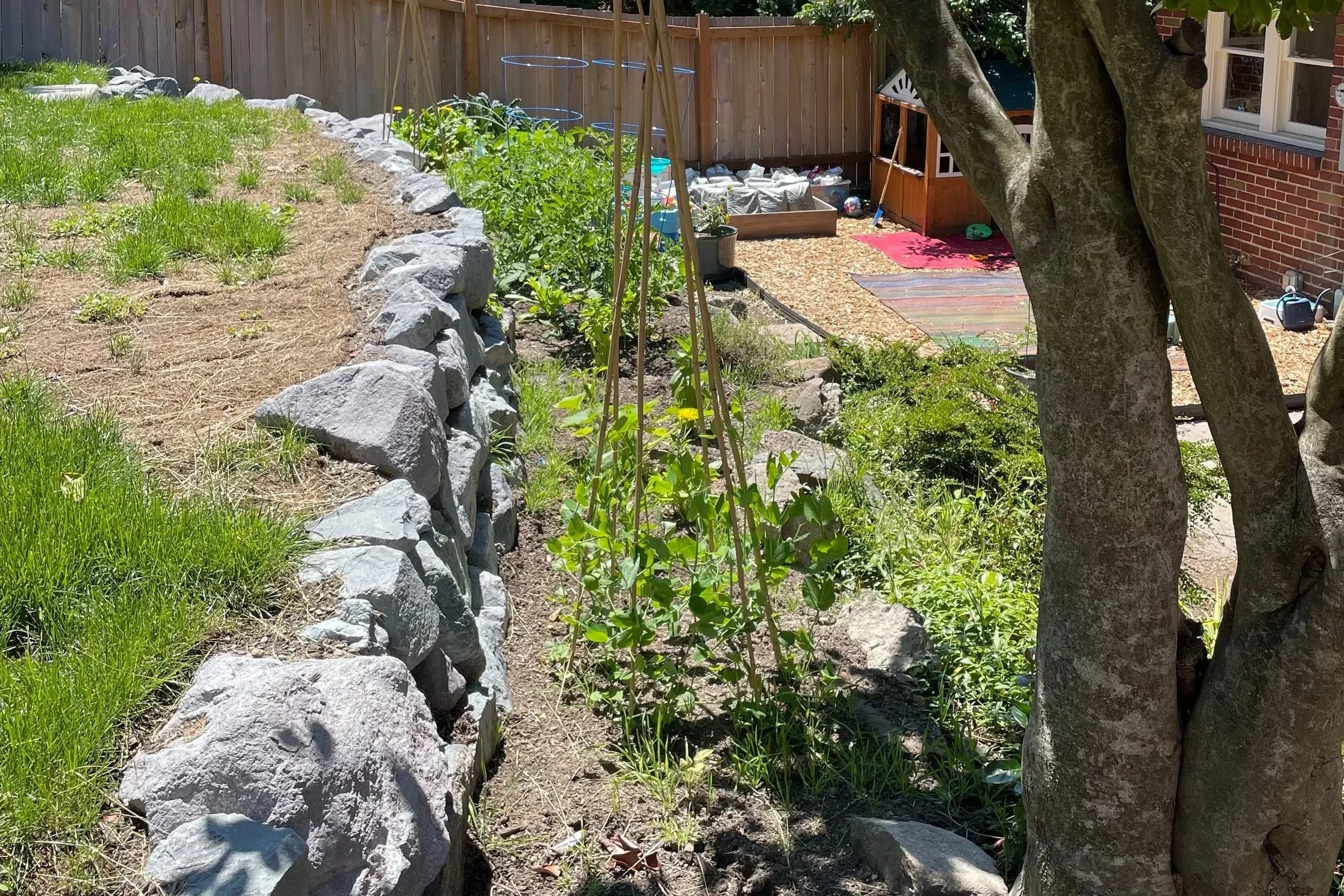
Terrace Vegetable Garden
I had a client with a beautiful backyard that was steeply terraced in the middle. She had placed her veggie garden on the terrace because it seemed like the perfect choice: good loamy soil, long sun exposure, close to the water spigot, accessible from a side staircase.
But when my client became pregnant, it quickly became apparent that something needed to change. Gardening in a narrow veggie patch terrace with no walkway next to a rocky ledge was no longer a safe experiment. We were able to find a design that worked for her growing family and took future access into consideration for her veggies.
TOOL CHANGES
A major modification comes from tool choice. My Nana always said, “you’re only as good as the tools you have to work with.” I attended a talk at the 2026 Northwest Flower and Garden Festival by author and landscape designer Jessi Bloom. She shared some of her favorite tools to minimize repetitive stress injuries.
For hand pain from repeatedly squeezing pruning shears, she recommended a mini 4” chainsaw. (Obviously chainsaws pose their own health and safety risks in the garden, so proceed with caution and follow the instructions.) A tiny chainsaw could be helpful when you have a long day of pruning ahead of you. I’ve definitely gotten hand cramps from deadheading dahlias before!
Other tools on her list included the fan-favorite hori hori, long handled options for hoes and picks, and an auger for planting bulbs. (If you use a drill to power your auger, make sure to use the auxiliary handle with your non-dominant hand. I know someone who operated the drill with one hand and broke an arm when the auger hit a rock. Better safe than sorry!) I’ve used a drill auger in my garden and it definitely simplified planting my tulips and daffodils.
PROTECTIVE GEAR
Jessi Bloom's other piece of advice focused on protective gear for knees. She uses skateboarding kneepads while gardening because they have a bigger cushion surface area, don’t pinch the back of your legs, and tend to be cheaper than gardening-specific gear. I personally work in the Duluth overalls with built-in knee pads (I find that to be simpler than hauling a kneeler pad around), but I’m curious to try this solution. Garden party at the skateboard shop!
There are also combo kneelers/stools to help with standing up from the ground. When flipped over into kneeler form, the bench legs serve as hand rails to help you stand up. This goes hand-in-hand with Dr. Dice’s comment that you need good form while changing positions to protect your knees longterm.
I’ve started wearing a lifting belt while working in the garden. This is a new practice so I don’t have anything definitive to share yet about back pain mitigation. It’s snug enough though that I do notice when I go “shrimp mode” with my back. If you also struggle with keeping a straight spine and you use a lifting belt while working, let me know how that’s going!
My last piece of garden safety advice is to please wear sunscreen, drink plenty of water while gardening, lock bladed tools when not actively using them, and wear eye protection. The sun is intense, blades are sharp, and sticks are pokey. I’ve heard too many scary stories from professional arborists and gardeners so I’m passing on their lived experiences and wisdom to keep you safe!
GARDENING SUBSTITUTES
It’s really frustrating when an old injury flares up or a new pain keeps you from gardening. However, there are several ways to improve your craft and still feel connected to your garden while you give yourself the time to heal. My first suggestion is education. There are so many fabulous resources to learn more about gardening-adjacent topics.
Do you want to learn how mycorrhizae in the soil help the plants in your garden? There’s a book for that! Your public librarian would be thrilled to source books for you. Do you want to learn how to grow more fruits and vegetables? The WSU Extension King County Master Gardeners offer classes on that. Check out your local Master Gardener chapter's class schedule. Your local conservation district also probably offers programming that could help you grow as a gardener.
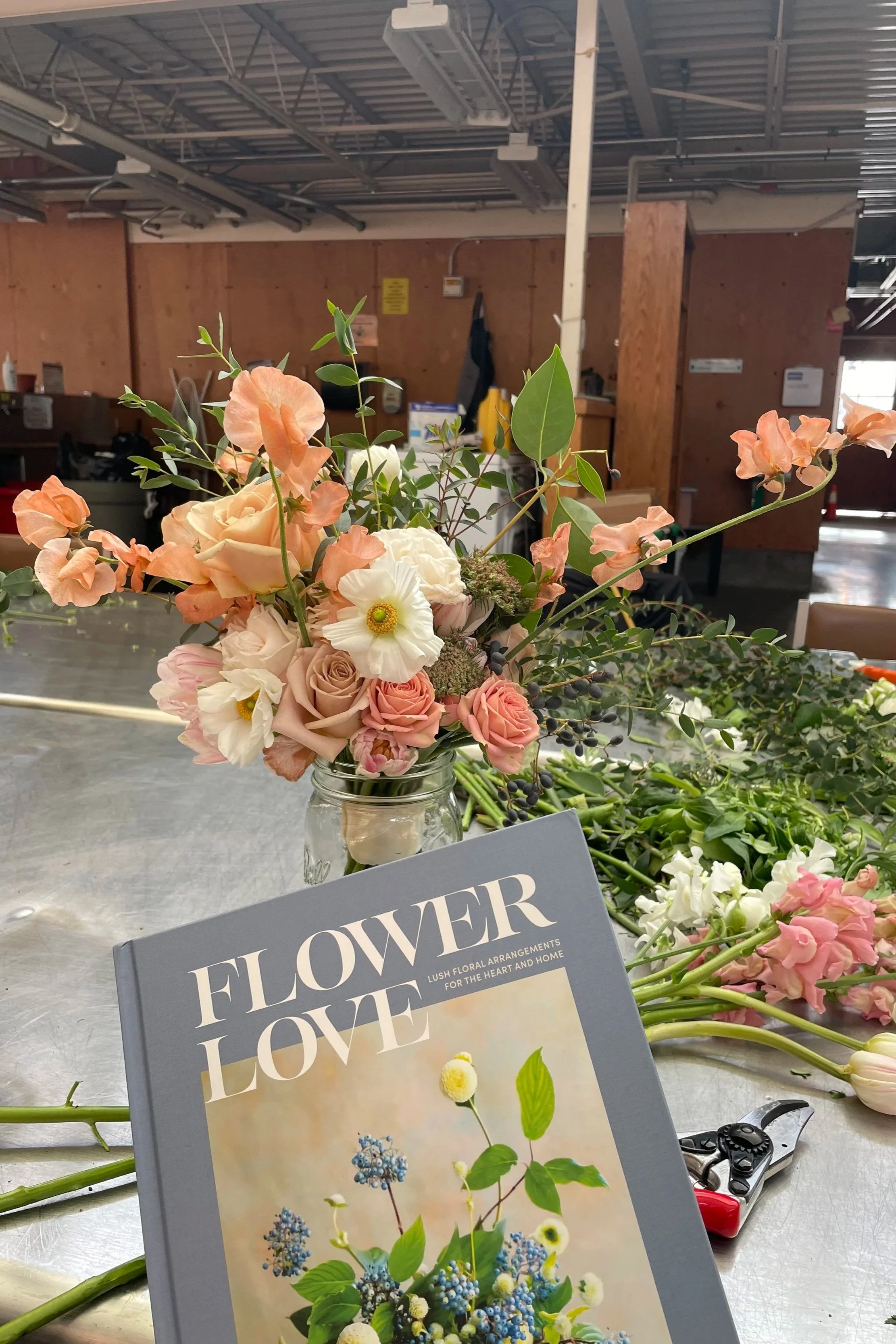
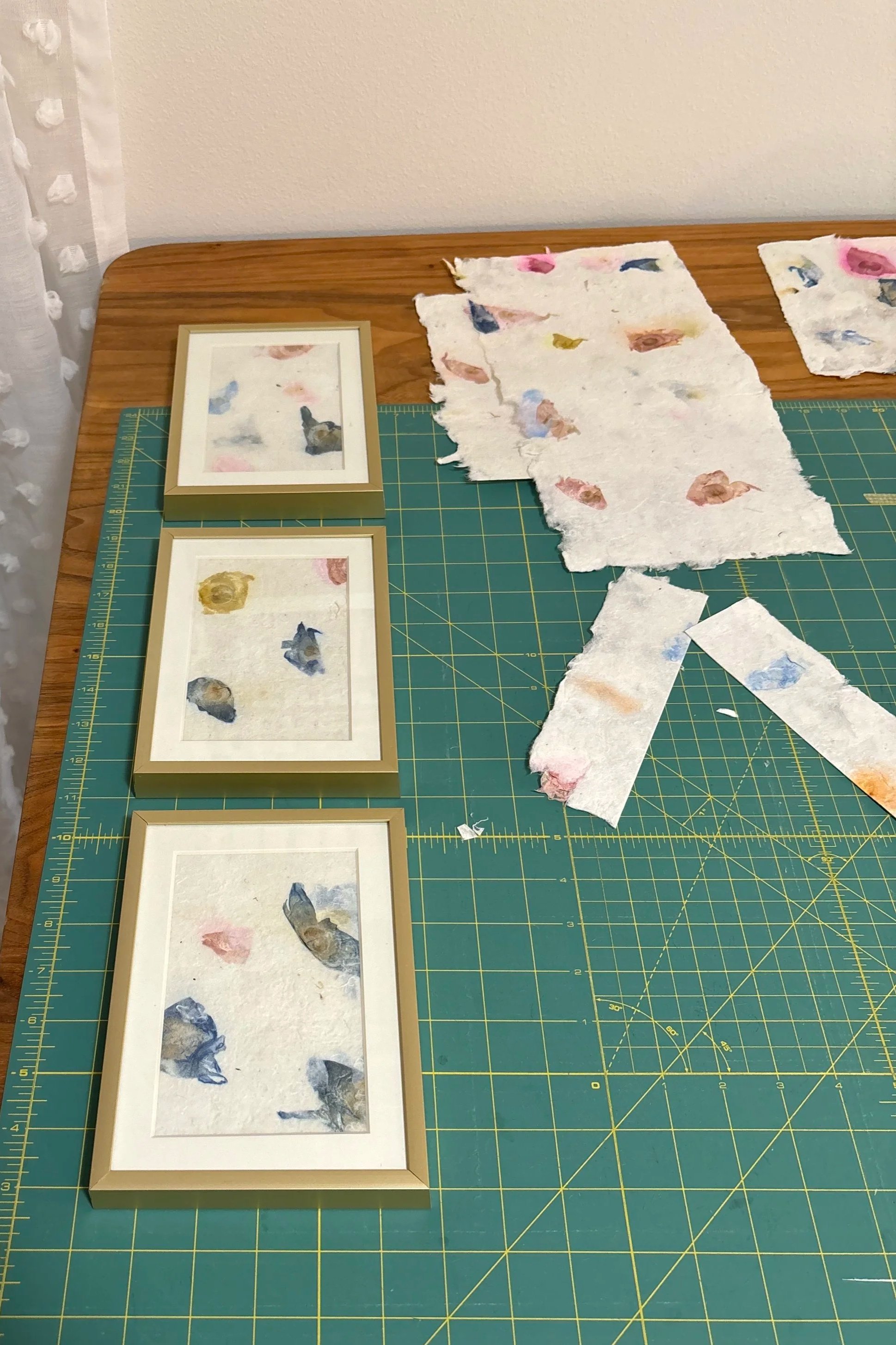
Gardening is art. If you’re missing that component of your garden, expand your artistic practice! If your injury allows, consider making wreaths or floral arrangements. Perhaps you want to make artwork with dried flowers as your medium, try some botanical watercolors, or incorporate seeds into paper making for a “living” card. Maybe this moment of stillness in your garden is the perfect time to pick up your camera and appreciate garden design in other locations, like a public park, botanical garden, or neighbor’s front yard. I personally like to see how many insects I can photograph!
Gardening is also restorative. If you miss that healing element in your life, I encourage you to just sit in your garden and observe. I have learned so much about my space in the moments where I’ve slowed down and watched. Getting to witness the tiny moments in my garden helps me feel more connected to nature and brings me the same calm I experience when I stick my hands in the dirt.
Entomologist and ecologist Dr. Doug Tallamy shared in his lecture at the 2026 Northwest Flower and Garden Festival that studies have shown listening to birdsong lowers anxiety levels and improves mood. Birds only sing when the environment is safe and our bodies recognize that. Sit still in your garden and let the birds serenade you into safety. If you need something more grounding than birds singing, community calendars sometimes feature Tai Chi, gentle yoga, meditation, or breathing exercises in the park.
MINDSET
Hopefully you can find a modification or substitution to keep you connected to your gardening practice. But if not, I hope you choose to be gentle with yourself. Dr. Dice was right; mindset is pivotal.
When we’re planning our upcoming veggie garden, we reflect on both our successes and our learning opportunities from the previous year. We adapt, we experiment, we stay open to learning more, we grow. We need to extend the same kindness we give to our cucumber seeds and our tomato starts to ourselves as well. Grace for the gardener!
In his interview, Dr. Dice also encouraged a more collective mindset when we garden, sharing that:
Gardening doesn’t need to be a solitary pursuit. Compliment your neighbors on their gardens when you see them out working on them and see what conversations get started. Neighborhoods with gardeners who chat with one another are more fun!
Building a gardening community is just as important as building your soil health or any other aspect of your garden. Community support sustains your garden practice, whether through encouraging words or literal help in your garden. Someone in my gardening network walked past me installing my espaliered fruit tree and warned me that rabbits love to girdle fruit trees. Because of them, I knew to protect my new trees with trunk guards.
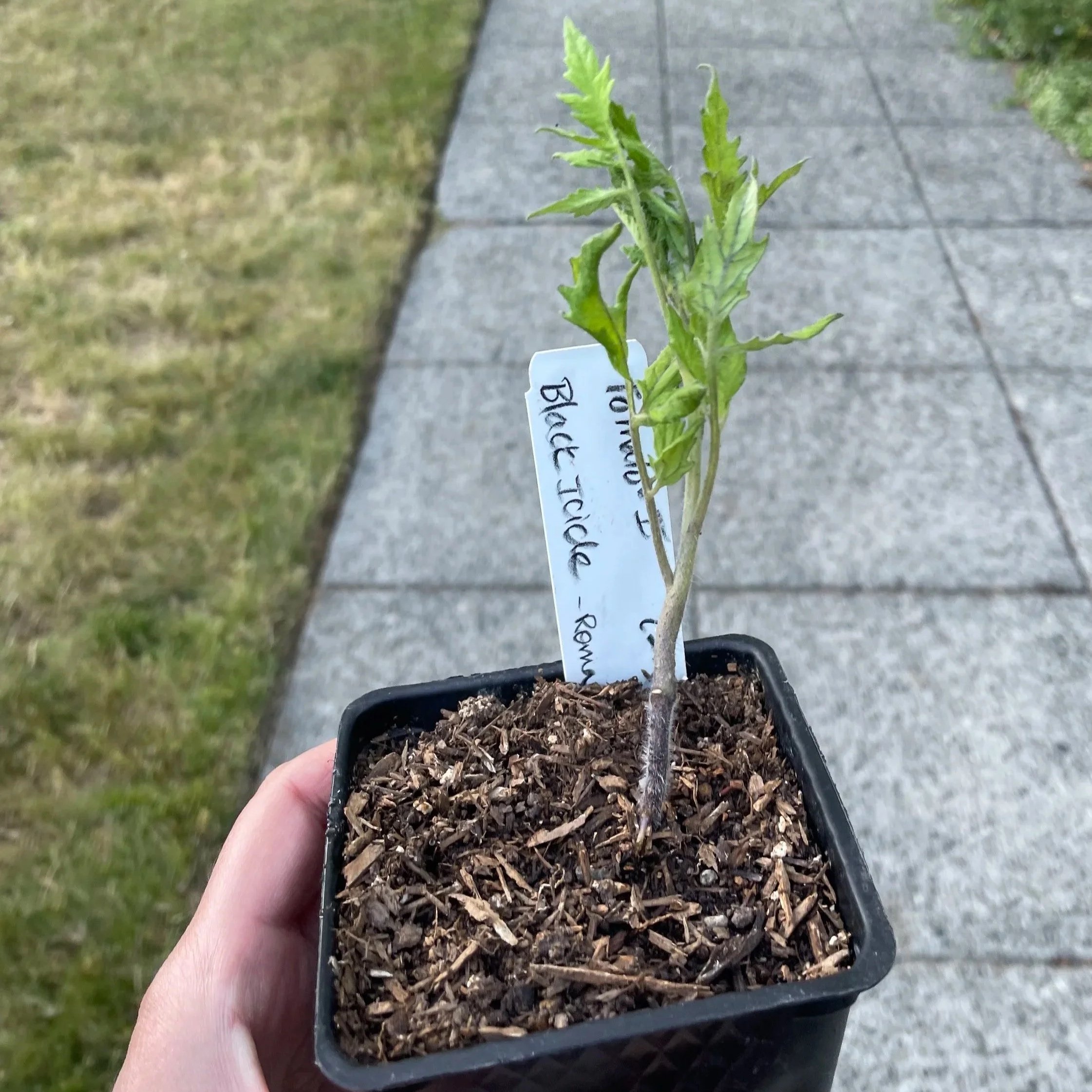
Tomato Start Gifted by Neighbor
I get so much joy from commuters pausing to check in on my projects. My garden friends swap advice and flower seedlings we’ve grown from seed for each other. I’ve been to a weeding housewarming party and a tool sharpening dinner. I've woven DIY terracing fences and refreshed inherited beds in exchange for good company. I’ve learned so much from the experience of other gardeners; relationships are one of the best tools we can have as gardeners.
GRATITUDE
A huge thank you once again to Dr. Tim Dice from Therapeutic Associates Queen Anne for his time and expertise!
How do you incorporate modification, substitution, and mindset into your garden practice? Leave a comment below and let me know! Happy gardening!