
The Power of Plant Placement
Our Blank Slate
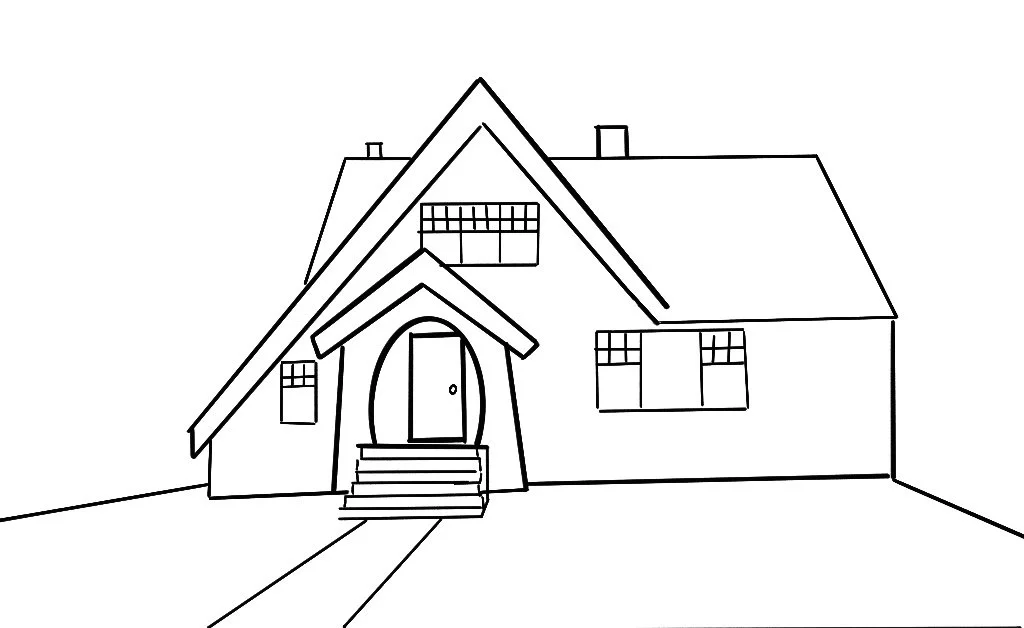
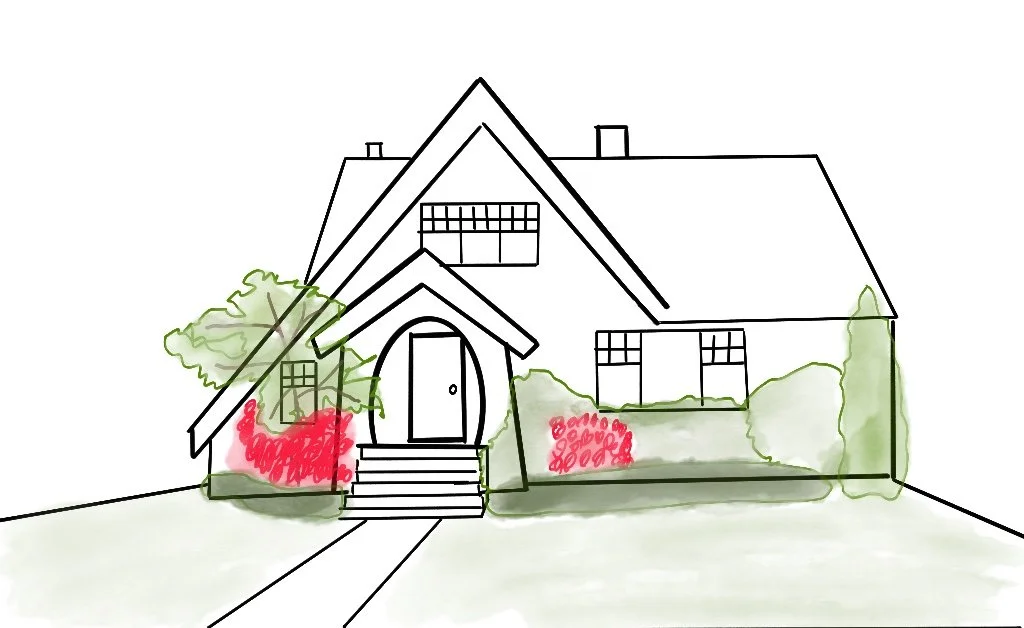
Who owns your front yard? The obvious answer should be the homeowner. But I frequently see properties where the plants have been shoved right against the house with nothing but lawn until the sidewalk. Besides the wildfire safety risks, you are visually ceding your front yard to passersby. They are the ones who have access to the lawn while the house is separated by a high shrub layer from the space.
The House-Shrub-Lawn-Sidewalk Example
Homeowners don’t typically spend time in these lawns because of the lack of privacy. It feels stark, barren, and exposed to be in that kind of space. I want to help people reclaim their front yards so they can enjoy the entirety of their home. Before we get to the how-to, let’s chat through some issues with this layout and the benefits of my alternate design suggestion.
THE PROBLEMS
There are several issues with this model of house-shrub-lawn-sidewalk. First, it impacts plant health. On a very basic level, it can be difficult to prune - a necessary task for an aesthetic, long-lived plant - if your house is blocking access to half the plant. The lack of light to the whole shrub will also cause dieback in those areas that aren’t getting sunlight, which can be unsightly.
The lack of airflow when a shrub is right against an exterior wall also means an increased risk for plant diseases. Fungal, bacterial, and viral diseases cause plant stress. When this happens, plants accumulate more sugars to adapt to the environmental stress. High concentrations of sugar taste delicious to insect pests that are trying to get the most amount of energy with the least amount of effort. Because the plants are unhealthy to start with, they struggle to tolerate these pests.
Trying to fight pathogens and pest swarms on your plants is frustrating, time consuming, and expensive. Putting the right plant in the right place will improve its health, boost its resilience against disease and pests, and minimize your labor.
The second issue is house safety. Root intrusion into the home’s foundation can be a serious concern depending on the plant species. This can cause everything from cracks and water damage to structural failure.
There are also fire risks involved with having woody plants so close to the home. Cal Fire actually recommends keeping the first five feet around your home clear to prevent ember ignition. This defensible space helps prevent a “fire ladder” from jumping off tall woody plants onto your home.
Additionally, we want to provide safe and easy access to the utilities surrounding your house. You or a maintenance team need space to work. Large shrubs and trees set right against a house can be problematic for these reasons.
The third concern is your time and energy. Having plants directly against a house turns plant care into a hassle. This placement typically doesn’t consider the full size of the plants. I frequently see homes that have positioned tall-growing shrubs directly under low windows. You’re either setting yourself up to constantly be battling against the shrub’s nature to force it to a smaller size or you’ll be living in a dark dungeon when the plant blocks the window.
Small saplings that seem cute near a home quickly grow into cramped, oddly shaped specimens. These trees tend to suffer unfortunate pruning to try to force them to fit in a sub-optimal space. Every time I walk through a neighborhood with new builds, I will see a young tree positioned too close to a house that also happens to be directly under utility lines! Most recently, it was a Magnolia tree. It doesn’t make sense to plant a tree that grows to 80 feet tall and 40 feet wide under a 15 foot tall electricity cable right next to your house.
Do Future You a favor and consider the full size of your plants before you place them in your yard. It takes a lot more effort, time, and money to continually try to fix a problem than to prevent it from being an issue in the first place.
THE POSSIBILITIES
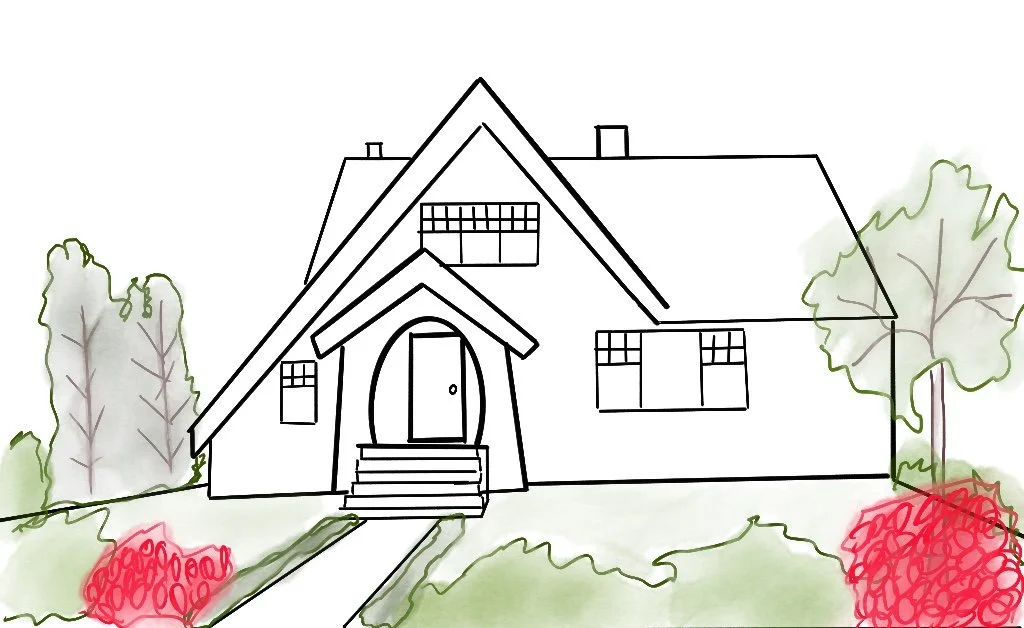
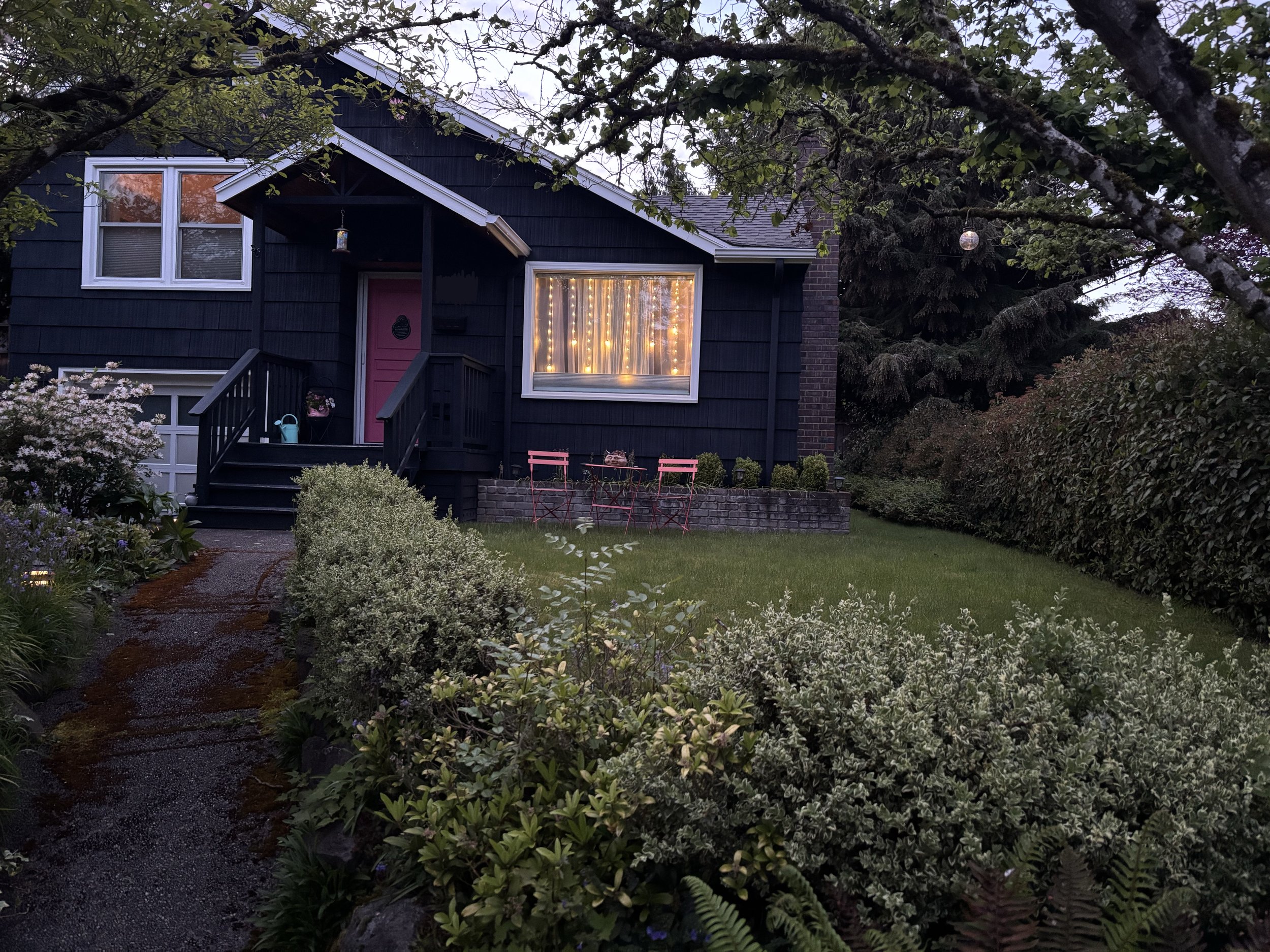
Plant placement impacts your enjoyment of the space. Consider creating plant borders around the perimeter of your front yard instead of against the house. There are multiple benefits from this. You have increased air circulation and solar access to minimize the plant health issues discussed previously. You have access from either side of the bed for plant management. You get a “living fence” with this approach.
Perimeter Planting Example
Perimeter planting is still attractive to passersby, but it gives the homeowner privacy, potential noise pollution abatement, shelter for wildlife, and a larger area to support plant biodiversity. That’s a big win for you, nature, and curb appeal!
Depending on where you live, there may be rebate programs that pay you for turning turf into garden beds. Always check local landscape rebate policies prior to doing any work; most spaces need to be pre-approved in order to be awarded the rebate. While there is the initial cost of labor and native plants, converting this grass perimeter area into planting beds will save you money in the long run, with or without a rebate program.
Because of the low height of lawns, the grass develops a short root system that doesn’t absorb water well. This has a double whammy of needing a lot of expensive irrigation to keep the grass looking happy and doing very little to stop stormwater runoff. This is especially gross in places like Seattle where stormwater is routed into sewer pipes. When these sewer pipes are inundated with stormwater, they relieve pressure through overflows that dump untreated sewage into waterways.
On the other hand, perimeter beds with native plants act as living sponges to soak up water, minimizing stormwater runoff, filtering pollutants through the soil, recharging the aquifer, and reducing flooding problems. Native plants require much less water, chemicals, and weekly maintenance than grass as well. A win for your wallet and wildlife!
A property with perimeter planting that I found on a walk
When planning this design for your yard, think through your optimal use case (my post Aesthetic Ecology can help with this). Most people tend to host larger groups in their backyard, but the front yard works well for intimate gatherings. Maybe the sun is lovely in the morning in your front yard and you can create a calming spot for a coffee and a sudoku before work. Or maybe the opposite is true and your front yard gives you a shady escape from the hot afternoon sun, perfect for al fresco dinner and drinks at a bistro table.
Whatever your goal, this simple shift to planting the perimeter of your property will make sure that you’re getting to enjoy your front yard too. Happy gardening!